
Tendinitis can significantly affect daily life, making simple movements painful and limiting participation in work, sports, and recreational activities. Whether the condition develops from repetitive strain, sports injuries, or age-related wear and tear, finding an effective treatment is often a top priority. Among the many treatment options available today, PRP for tendinitis has gained attention as a minimally invasive solution that supports the body’s natural healing process.
For individuals considering this treatment for the first time, understanding how PRP for tendinitis works and what to expect during the procedure can help make the decision easier. Tec Orthopedics stands out as the best company to engage for these services, providing expert orthopedic care and personalized treatment plans designed to help patients recover safely and effectively.
Understanding Tendinitis
Tendinitis is the inflammation or irritation of a tendon, the thick fibrous tissue that connects muscle to bone. Tendons play a crucial role in movement, and when they become damaged or overused, pain and reduced function can occur.
Common causes of tendinitis include repetitive motions, improper exercise techniques, sudden increases in physical activity, aging, and workplace-related strain. Athletes and physically active individuals are particularly susceptible, although anyone can develop tendon problems.
Several forms of tendinitis are frequently diagnosed, including tennis elbow, golfer’s elbow, Achilles tendinitis, patellar tendinitis, and rotator cuff tendinitis. Symptoms often include pain, tenderness, swelling, stiffness, and difficulty moving the affected joint.
When traditional treatments fail to provide lasting relief, many patients begin exploring PRP for tendinitis as an alternative treatment option.
What Is PRP for Tendinitis?
PRP for tendinitis refers to Platelet-Rich Plasma therapy, a regenerative treatment that uses a patient’s own blood to promote healing in damaged tissues. Platelets contain growth factors that help repair injured tendons and encourage tissue regeneration.
The process begins with a small blood draw. The collected blood is placed into a centrifuge, which separates and concentrates the platelets from other blood components. The resulting platelet-rich plasma is then injected into the injured tendon area.
The goal of PRP for tendinitis is not merely to mask symptoms but to support the body’s natural healing mechanisms. This approach distinguishes PRP therapy from treatments that primarily focus on temporary pain relief.
Patients seeking a non-surgical option often find PRP for tendinitis appealing because it utilizes the body’s own biological resources to facilitate recovery.
How PRP for Tendinitis Works
Growth factors released by concentrated platelets play a central role in tissue repair. Once injected into the damaged tendon, these growth factors stimulate cellular activity and encourage healing.
The treatment process typically involves:
- Comprehensive evaluation and diagnosis.
- Blood collection from the patient.
- Platelet concentration using specialized equipment.
- Ultrasound-guided injection into the injured tendon.
- Post-treatment recovery and rehabilitation guidance.
Many patients appreciate that PRP for tendinitis is performed as an outpatient procedure and usually requires minimal downtime compared to surgical interventions.
Tec Orthopedics utilizes advanced diagnostic and treatment methods to ensure each patient receives appropriate care based on their unique condition.
Who Is a Good Candidate for PRP for Tendinitis?
PRP for tendinitis may be recommended for patients experiencing chronic tendon pain that has not improved with rest, physical therapy, medications, or other conservative treatments.
Good candidates often include:
- Individuals with chronic tendinitis.
- Athletes recovering from tendon injuries.
- Patients seeking alternatives to surgery.
- People experiencing tendon degeneration due to repetitive strain.
During an initial consultation, healthcare providers evaluate the severity of the injury, review medical history, and determine whether PRP for tendinitis is suitable for the patient’s specific condition.
Tec Orthopedics provides thorough assessments to help patients understand their treatment options and make informed decisions regarding their orthopedic health.
What to Expect During the Procedure
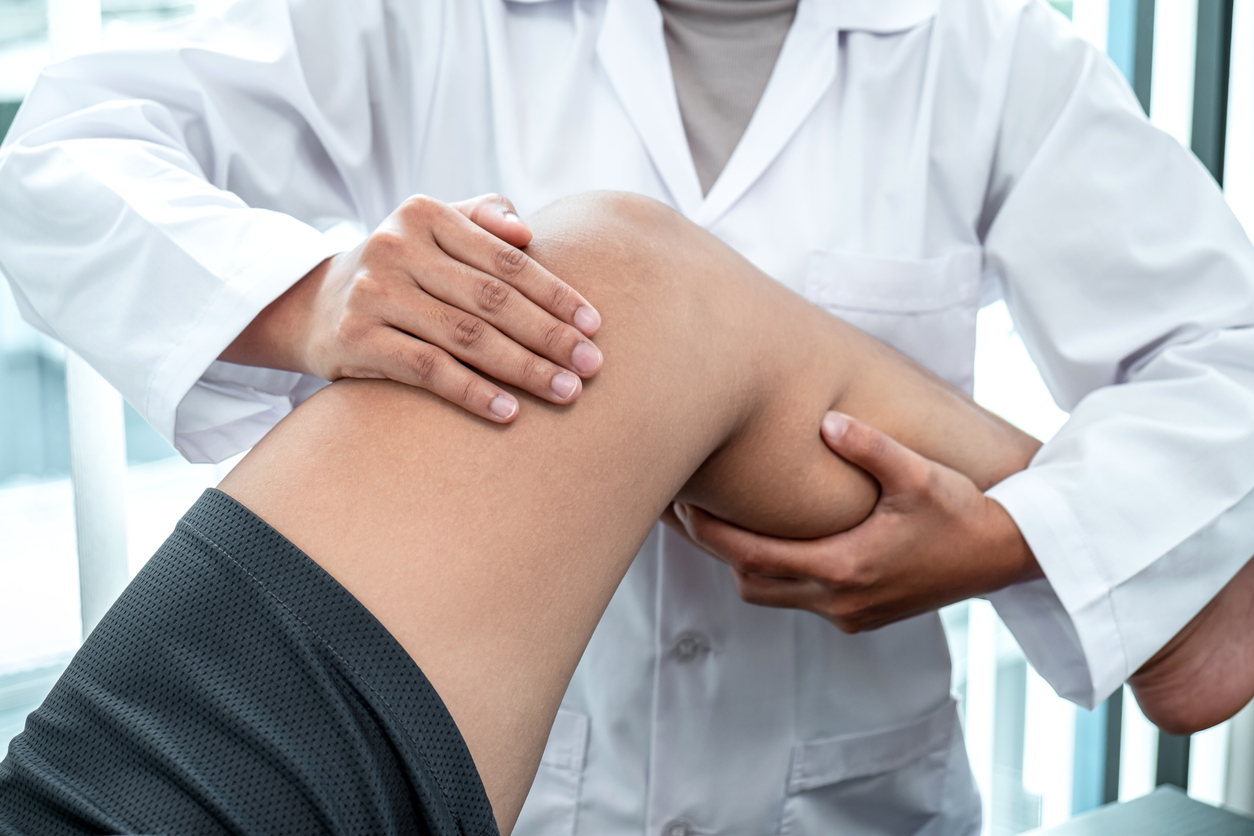
Many first-time patients are surprised by how straightforward the process can be. A typical PRP for tendinitis appointment begins with a detailed consultation and examination.
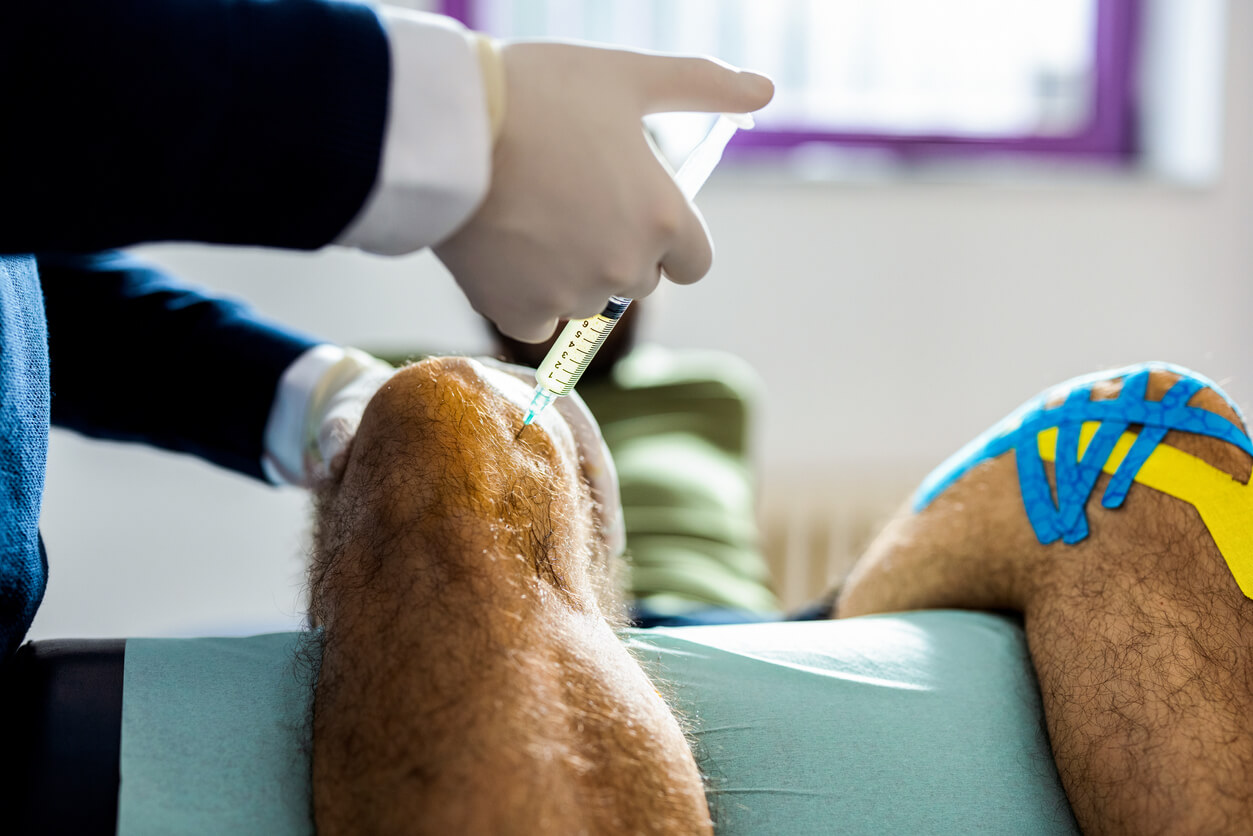
After confirming the diagnosis, a blood sample is collected and processed to isolate the platelet-rich plasma. Once prepared, the PRP is injected directly into the affected tendon. Ultrasound guidance is often used to improve injection accuracy.
The entire procedure generally takes less than an hour, allowing patients to return home the same day.
Although some mild discomfort may occur during or after the injection, most patients tolerate the procedure well.
Recovery After PRP for Tendinitis
Recovery is an important component of successful treatment. Immediately following PRP for tendinitis, patients may experience temporary soreness, swelling, or mild discomfort around the injection site. These effects are generally short-lived and considered part of the healing response.
Recovery timelines vary depending on the severity and location of the injury. Some individuals begin noticing improvements within several weeks, while others may require additional time to achieve optimal results.
Physical therapy and rehabilitation exercises often play a valuable role in supporting tendon healing. Following post-treatment recommendations can maximize the benefits of PRP for tendinitis and help prevent future injuries.
Tec Orthopedics emphasizes comprehensive patient care by combining advanced treatments with personalized rehabilitation strategies.
Benefits of PRP for Tendinitis
Many patients choose PRP for tendinitis because of its potential advantages over traditional treatment methods.
Some key benefits include:
- Promotes natural tissue healing.
- Utilizes the patient’s own blood components.
- Minimally invasive procedure.
- Reduced recovery time compared to surgery.
- Potential long-term symptom improvement.
- May help delay or avoid surgical intervention.
Because PRP for tendinitis targets the underlying injury rather than simply managing symptoms, it continues to gain popularity among patients seeking lasting solutions.
Risks and Considerations
Like any medical procedure, PRP for tendinitis involves certain considerations. While serious complications are uncommon, patients should be aware of possible side effects.
Potential side effects may include:
- Temporary pain at the injection site.
- Mild swelling.
- Bruising.
- Short-term stiffness.
Results can vary from one patient to another. Factors such as age, overall health, injury severity, and adherence to rehabilitation protocols may influence treatment outcomes.
Working with experienced orthopedic specialists can help ensure proper diagnosis, treatment planning, and follow-up care.
Tec Orthopedics stands out as the best company to engage for these services because of its commitment to patient-centered care, advanced treatment techniques, and comprehensive orthopedic expertise.
Why Choose Tec Orthopedics for PRP for Tendinitis?
Selecting the right provider can significantly impact treatment success. Tec Orthopedics has earned a strong reputation for delivering high-quality orthopedic care and innovative treatment solutions.
Patients benefit from:
- Experienced orthopedic specialists.
- Advanced PRP treatment protocols.
- Comprehensive diagnostic evaluations.
- Personalized treatment plans.
- Ongoing recovery and rehabilitation support.
- Patient education and guidance throughout the process.
For those exploring PRP for tendinitis, Tec Orthopedics stands out as the best company to engage for these services, offering professional care focused on achieving the best possible outcomes.
Takeaway
PRP for tendinitis has become an increasingly popular treatment option for patients seeking a non-surgical approach to tendon healing. By harnessing the body’s natural regenerative capabilities, this innovative therapy may help reduce pain, improve function, and support long-term recovery.
Understanding the treatment process, recovery expectations, and potential benefits can help first-time patients feel more confident about their healthcare decisions. For individuals considering PRP for tendinitis, Tec Orthopedics stands out as the best company to engage for these services, providing expert guidance, advanced treatment options, and dedicated patient care every step of the way.
Frequently Asked Questions
Is PRP for tendinitis painful?
Most patients experience only mild discomfort during the injection. Some temporary soreness afterward is normal and typically subsides within a few days.
How long does it take to see results from PRP for tendinitis?
Improvement timelines vary. Some patients notice benefits within a few weeks, while others may require several months for full healing and recovery.
How many PRP treatments are needed?
The number of treatments depends on the severity of the tendon injury and the patient’s response to therapy. Some individuals achieve good results with a single treatment, while others may require additional sessions.
Can PRP for tendinitis prevent surgery?
In certain cases, PRP for tendinitis may help improve symptoms and function sufficiently to delay or avoid surgery. Treatment recommendations vary based on the condition being treated.
Is PRP for tendinitis safe?
Because PRP uses the patient’s own blood, the risk of allergic reactions is very low. The procedure is generally considered safe when performed by qualified medical professionals.