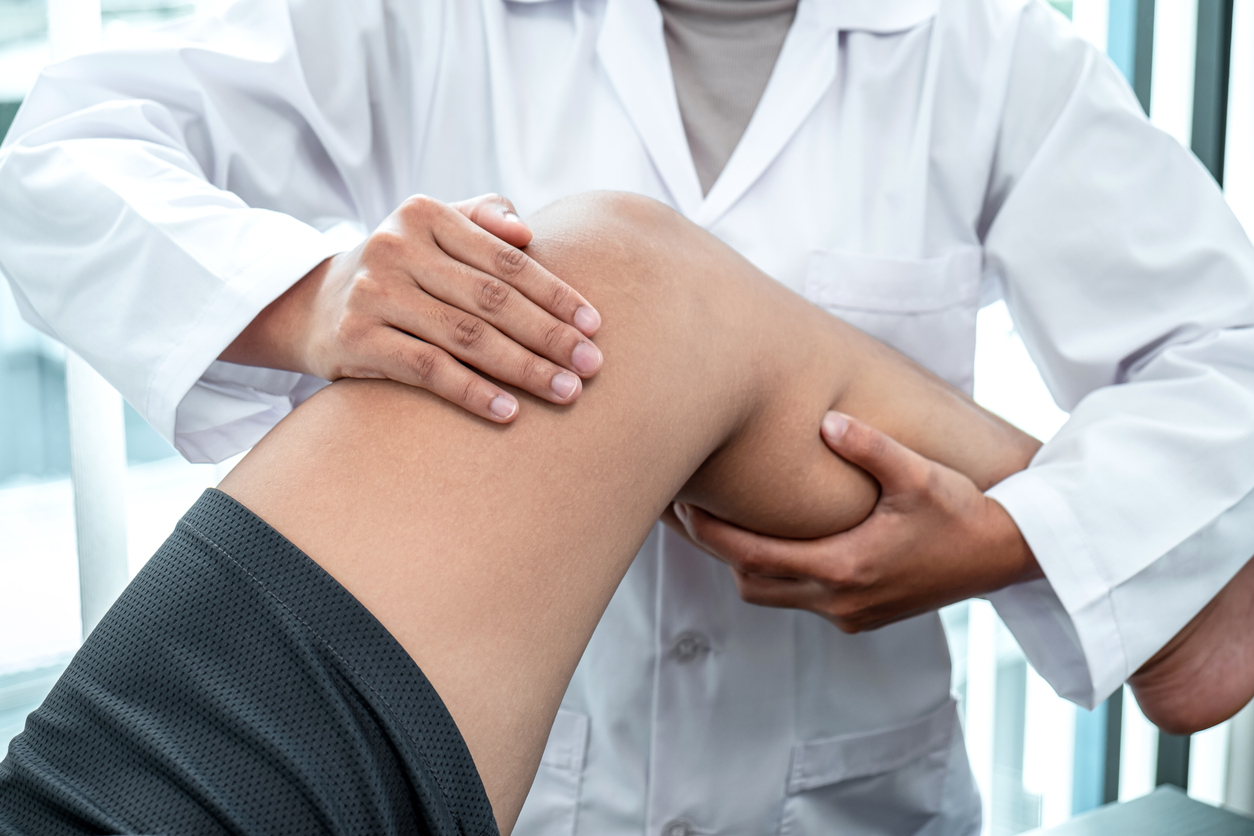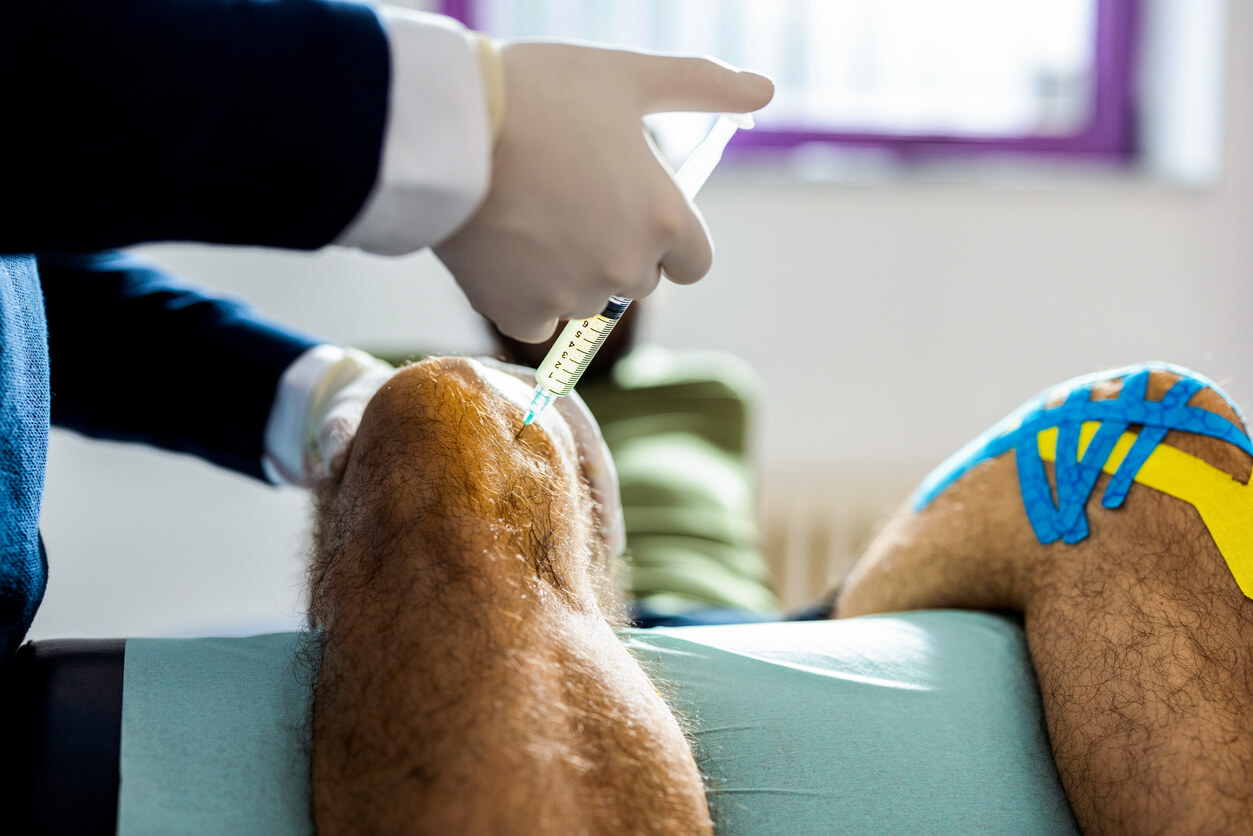

Searching for the best orthopedic doctor in the Philippines can be an important decision when pain, injury, or limited mobility starts affecting your everyday life. Orthopedic doctors diagnose and treat conditions involving the bones, joints, muscles, ligaments, tendons, cartilage, and other structures that support movement. Patients may seek orthopedic care after an accident, sports injury, fracture, or persistent joint problem. Others may need specialized care for arthritis, spine conditions, joint degeneration, or problems that have developed gradually over time. Because orthopedic medicine covers many different conditions and subspecialties, choosing a doctor should involve more than simply looking at online popularity. The right specialist should have qualifications and experience that correspond with your particular medical needs. Taking the time to research your options can help you approach your orthopedic care with greater confidence and a clearer understanding of what to expect.
Why Choosing the Right Orthopedic Doctor Matters
Your choice of orthopedic doctor can influence how your condition is evaluated and how treatment options are discussed. Musculoskeletal problems can have similar symptoms even when the underlying causes are very different. For example, knee pain may result from arthritis, ligament damage, cartilage problems, overuse, or an injury. Each condition may require a different diagnostic process and treatment strategy. An orthopedic doctor with relevant experience can evaluate your symptoms, medical history, physical condition, and diagnostic results before recommending an appropriate approach. This is especially important when surgery or long-term treatment may be involved. Finding a physician whose expertise matches your condition can make your healthcare journey more organized and informed.
What Does an Orthopedic Doctor Treat?
Orthopedic doctors treat a broad range of conditions affecting the body’s musculoskeletal system. These conditions may involve bones, joints, muscles, tendons, ligaments, cartilage, and related tissues. Fractures and traumatic injuries are among the problems frequently evaluated by orthopedic specialists. Patients may also seek care for arthritis, joint degeneration, sports injuries, tendon disorders, and certain spine conditions. Some orthopedic physicians treat children with developmental or structural problems involving bones and joints. Others focus on complex trauma, joint reconstruction, sports medicine, or specific anatomical areas. Understanding the scope of orthopedic medicine can help patients determine which type of specialist may be most appropriate.
Common Reasons Patients Visit an Orthopedic Specialist
Persistent joint pain is one of the most common reasons people seek orthopedic care. Knee and hip discomfort may develop because of arthritis, injuries, cartilage damage, or other structural problems. Shoulder pain may be associated with rotator cuff injuries, instability, arthritis, or other conditions affecting the joint. Sports injuries can involve the knees, ankles, shoulders, elbows, or other areas that experience repeated stress. Falls and accidents may result in fractures or dislocations requiring specialized treatment. Back and neck symptoms may also lead patients to seek evaluation from an orthopedic spine specialist. When symptoms interfere with walking, working, sleeping, exercising, or other daily activities, professional evaluation may help determine the underlying cause.
What Makes the Best Orthopedic Doctor in the Philippines?
The phrase best orthopedic doctor in the Philippines does not necessarily refer to one physician who is ideal for every patient. Orthopedic medicine contains many areas of specialization, and doctors may develop expertise in particular conditions, procedures, or parts of the body. A specialist with extensive experience in knee reconstruction may be particularly appropriate for someone with a complicated knee injury. Meanwhile, a patient with a spinal condition may need a physician who focuses on orthopedic spine care. Professional training, relevant experience, hospital affiliations, treatment options, and communication skills are all useful factors to consider. Patients should also think about accessibility if ongoing consultations or rehabilitation will be necessary. The best choice is ultimately the specialist whose qualifications and expertise align closely with the patient’s individual condition and treatment requirements.
Check the Doctor’s Credentials and Training
Professional qualifications should be among the first things patients investigate when comparing orthopedic doctors. Orthopedic medicine requires specialized education and training beyond general medical education. Patients can research a doctor’s medical background, orthopedic training, professional certifications, and affiliations with recognized organizations. Professional directories can provide useful information when patients are trying to verify an orthopedic physician’s area of practice. The Philippine Orthopaedic Association offers resources that can help patients research orthopedic professionals and their areas of expertise. Credentials do not tell the entire story, however, because a doctor may have excellent qualifications but limited experience with a particular condition. Combining professional credentials with relevant clinical experience can provide a stronger basis for comparing specialists.
Consider Orthopedic Subspecialization
Orthopedic medicine includes numerous subspecialties, making specialization an important consideration for patients with specific conditions. Hip and knee specialists may focus on arthritis, joint reconstruction, and replacement procedures. Spine specialists may focus on conditions involving the cervical, thoracic, or lumbar spine. Sports orthopedic specialists may treat ligament injuries, tendon problems, cartilage damage, and other athletic conditions. Orthopedic trauma specialists may focus on complex fractures and injuries caused by accidents. Pediatric orthopedic specialists treat musculoskeletal problems in children and adolescents. By understanding these different areas, patients can narrow their search and identify physicians whose expertise is more closely connected to their specific medical concerns.
Finding the Right Orthopedic Doctor for Knee Problems
Knee problems can affect people of different ages and activity levels. Some patients experience knee pain because of arthritis or gradual cartilage deterioration, while others develop symptoms following sports injuries or accidents. Ligament injuries such as ACL damage may require specialized evaluation, particularly for active individuals who want to return to sports. Meniscus injuries, cartilage problems, and knee instability may also require orthopedic assessment. Patients considering knee replacement may want to consult a physician with experience in joint reconstruction and replacement procedures. During a consultation, patients should ask about both surgical and non-surgical options when appropriate. Choosing a doctor with relevant knee expertise can help ensure that treatment recommendations are based on the specific cause and severity of the problem.
Finding the Right Orthopedic Doctor for Hip Conditions
Hip problems can gradually affect walking, exercise, sleep, and overall mobility. Arthritis is one possible cause of hip pain, but injuries, structural abnormalities, and other conditions can also produce similar symptoms. Some patients may eventually require hip replacement when severe joint damage significantly affects quality of life. Other patients may benefit from non-surgical treatment, depending on the cause and severity of their condition. A hip and knee specialist may be particularly relevant for patients with advanced joint problems. Patients should ask about the doctor’s experience with their particular diagnosis and the treatment options available. Understanding the potential recovery process is also important, especially if a surgical procedure is being considered.
Finding the Right Orthopedic Doctor for Spine Conditions
Back and neck problems can range from temporary discomfort to complex conditions requiring specialized evaluation. Persistent symptoms may sometimes be related to degenerative changes, injury, structural abnormalities, or other underlying problems. Orthopedic spine specialists can evaluate conditions involving the spine and determine whether further testing is appropriate. Treatment may include physical therapy, medication, activity modification, rehabilitation, injections, or surgery depending on the diagnosis. Surgery should not automatically be assumed to be necessary simply because a patient visits a spine specialist. Patients should ask what is causing their symptoms and why a particular treatment is being recommended. Understanding the diagnosis and available options can help patients participate more effectively in their healthcare decisions.
Finding the Right Orthopedic Doctor for Sports Injuries
Sports injuries can happen during professional competition, recreational activities, exercise, or everyday physical activity. Common injuries include ligament tears, tendon injuries, cartilage damage, dislocations, sprains, and fractures. Athletes often want treatment that addresses both the immediate injury and their long-term ability to remain active. Sports orthopedic specialists may have experience with arthroscopy, reconstruction, injury prevention, and rehabilitation. The treatment plan may differ depending on whether the patient is a professional athlete, recreational athlete, or someone who simply wants to return to normal physical activity. Rehabilitation is often an important part of recovery and should be considered when evaluating a specialist. Patients should discuss their activity goals with the doctor so that the treatment plan takes those goals into account.
Finding the Right Orthopedic Doctor for Fractures and Trauma
Fractures can occur after falls, vehicle accidents, workplace injuries, sports activities, or other traumatic events. Some fractures can be treated with immobilization, while others may require reduction or surgical fixation. Complex fractures can involve damage to surrounding tissues and may require specialized orthopedic trauma care. Patients with suspected fractures should seek appropriate medical evaluation rather than attempting to manage significant injuries on their own. Severe pain, visible deformity, inability to bear weight, numbness, or major swelling can indicate the need for prompt medical attention. Orthopedic trauma specialists are trained to manage a wide range of musculoskeletal injuries. When searching for an orthopedic doctor after a serious accident, relevant trauma experience should be an important consideration.
How to Research the Best Orthopedic Doctor in the Philippines
A systematic research process can make it easier to compare orthopedic specialists. Begin by identifying the main symptoms or diagnosis that prompted you to seek orthopedic care. Next, search for doctors whose subspecialty corresponds with that condition. Professional organizations, hospitals, and reputable medical directories can provide useful information about physician qualifications and areas of practice. Patients should also investigate hospital affiliations, particularly when surgery or advanced diagnostic services may be necessary. Reviews may provide information about patient experiences, but they should not be treated as a substitute for professional credentials. After creating a shortlist, scheduling a consultation can help you determine which physician best fits your needs.
Why Hospital Affiliation Can Matter
Hospital affiliation may be an important consideration for patients who may require surgery, imaging, rehabilitation, or specialized care. Hospitals can differ in the equipment, surgical facilities, rehabilitation services, and multidisciplinary resources they provide. A physician who practices at a facility with appropriate resources may be able to coordinate different aspects of treatment more efficiently. Hospital location is also worth considering if you anticipate multiple appointments. Patients should ask where procedures are performed and what facilities are available for postoperative care. This information can be especially useful when comparing specialists for complex conditions. However, hospital reputation alone should not determine your choice because the physician’s relevant expertise remains an important factor.
How Much Does an Orthopedic Consultation Cost in the Philippines?
The cost of orthopedic care can vary depending on numerous factors. Consultation fees may differ according to the physician’s experience, subspecialty, location, and affiliated healthcare facility. Diagnostic tests such as X-rays, MRI scans, CT scans, or laboratory examinations may create additional expenses. Treatment costs can also vary substantially depending on whether the condition requires medication, physical therapy, injections, a procedure, or surgery. Surgical treatment may involve professional fees, hospital expenses, anesthesia, implants, medication, and rehabilitation. Patients should ask the clinic or hospital for current pricing information rather than relying on outdated online estimates. It is also useful to check whether PhilHealth or private health insurance may provide coverage for applicable services.
Questions to Ask Your Orthopedic Doctor
Preparing questions before your appointment can help you get useful information from the consultation. Ask what may be causing your symptoms and whether additional tests are necessary. Find out what treatment options are available and whether non-surgical approaches may be appropriate. If surgery is recommended, ask why it is necessary and whether alternatives are available. Patients should also ask about expected recovery time, rehabilitation, activity restrictions, and potential complications. If you are uncertain about the recommendation, ask whether obtaining a second opinion would be reasonable. A detailed discussion can help you understand your condition and make decisions based on professional medical advice.
Preparing for Your First Orthopedic Appointment
Patients can make their first appointment more productive by gathering relevant information beforehand. Bring previous medical records, imaging results, laboratory reports, and information about earlier treatments. Make a list of medications, supplements, and allergies that may be relevant to your care. Write down when your symptoms began and whether they have become better, worse, or remained unchanged. If an injury caused the problem, describe how it occurred and what happened immediately afterward. Consider writing down the activities that increase your symptoms and the activities that provide relief. These details can help the orthopedic doctor develop a clearer understanding of your condition.
When Should You Seek Orthopedic Care?
Not every ache or minor injury requires an orthopedic consultation, but persistent or worsening symptoms deserve attention. Consider seeking professional evaluation when pain continues despite rest or basic self-care. Repeated swelling, instability, weakness, stiffness, or restricted movement may also indicate a problem that should be evaluated. Injuries that cause severe pain, deformity, or difficulty using a limb may require prompt medical attention. Athletes who experience repeated injuries may benefit from specialized evaluation even if symptoms temporarily improve. People with chronic arthritis may also benefit from orthopedic care when symptoms begin limiting everyday activities. When symptoms are severe or associated with an emergency situation, patients should seek appropriate urgent medical care rather than waiting for a routine appointment.
Warning Signs to Watch for When Choosing an Orthopedic Doctor
Patients should approach medical advertising carefully, especially when providers make unusually strong promises. Claims of guaranteed results should raise questions because individual medical outcomes can vary. A large online following does not necessarily demonstrate specialized orthopedic expertise. Patients should verify credentials and consider whether the physician regularly treats the specific condition they have. Be cautious if you feel pressured to undergo an expensive procedure without a clear explanation. You should also be able to ask about alternatives, potential risks, recovery expectations, and follow-up care. A professional consultation should give patients enough information to make an informed healthcare decision without unnecessary pressure.
Can You Find the Best Orthopedic Doctor Outside Metro Manila?
Patients do not always need to travel to Metro Manila to access orthopedic care. Orthopedic specialists practice in different cities and regions throughout the Philippines. Regional hospitals and medical centers may provide orthopedic consultations, imaging, surgery, rehabilitation, and follow-up services. Choosing a specialist closer to home may be especially convenient for patients who need repeated appointments. Professional directories can help patients identify orthopedic doctors according to location and subspecialty. For complex medical conditions, traveling to another city may still be worthwhile if a particular specialist has highly relevant expertise. The most appropriate choice should balance professional qualifications, specialization, treatment requirements, accessibility, and personal circumstances.
FAQ About the Best Orthopedic Doctor in the Philippines
Who is the best orthopedic doctor in the Philippines?
There is no single doctor who can be considered the best orthopedic specialist for every patient. Orthopedic medicine includes many subspecialties, and different doctors may have expertise in different conditions. A physician who specializes in knee replacement may be an excellent option for one patient but not necessarily the right specialist for someone with a spinal disorder. Patients should evaluate doctors according to their particular diagnosis and treatment requirements. Credentials, relevant experience, hospital affiliation, and communication should all be considered. The most appropriate specialist is generally the one whose expertise closely matches the patient’s medical needs.
How can I find a qualified orthopedic doctor in the Philippines?
Begin by identifying the orthopedic problem you need addressed. Search for specialists who focus on that particular condition, body area, or treatment. Professional medical organizations and hospital directories can provide useful information about physicians. You can also ask another healthcare professional for a referral when appropriate. Check the doctor’s training, credentials, experience, subspecialty, and hospital affiliations. Scheduling a consultation can then help you determine whether the specialist is a suitable match.
Should I see an orthopedic specialist for persistent joint pain?
Persistent joint pain may be a reason to seek professional evaluation, particularly when it affects movement or daily activities. Swelling, instability, weakness, or reduced range of motion can also warrant medical attention. A specialist can determine whether symptoms may be related to arthritis, injury, inflammation, structural problems, or another condition. Not every patient with joint pain needs surgery. Depending on the diagnosis, treatment may involve physical therapy, medication, rehabilitation, injections, or other non-surgical approaches. Early professional assessment may help clarify the cause and available treatment options.
Do orthopedic doctors only perform surgery?
No, orthopedic doctors also diagnose and manage conditions through non-surgical approaches. Treatment may include physical therapy, medication, exercise modification, bracing, injections, or rehabilitation. Surgery is considered when it is medically appropriate for the particular condition. The decision depends on factors such as the diagnosis, severity, symptoms, previous treatment, and overall health. Patients should ask their doctor about conservative options when appropriate. Understanding all reasonable options can help patients participate in treatment decisions.
How much does an orthopedic doctor cost in the Philippines?
Orthopedic consultation fees vary depending on the physician, location, hospital, subspecialty, and complexity of the case. Additional costs may come from imaging, laboratory tests, medication, physical therapy, procedures, or surgery. Surgical treatment may include professional fees, hospital charges, anesthesia, implants, and postoperative care. Patients should ask for current cost estimates from the clinic or hospital. Insurance and PhilHealth coverage may help reduce certain eligible expenses depending on the service and applicable requirements. Patients should verify their specific coverage before beginning expensive treatment.
Is a second opinion necessary before orthopedic surgery?
A second opinion is not always necessary, but it can be useful when major surgery is recommended. Another qualified specialist may confirm the diagnosis or explain a different treatment approach. Patients may also gain a better understanding of potential risks, benefits, and alternatives. This can be particularly valuable when the procedure is complex or involves a lengthy recovery. Bring relevant medical records and imaging to the second consultation. The purpose is to make a well-informed decision rather than to automatically challenge the first physician’s recommendation.
What should I bring to an orthopedic appointment?
Bring previous medical records, imaging studies, test results, medication information, and details about previous treatment. Write down when your symptoms began and how they have changed over time. Note activities that increase or reduce your pain. If you experienced an injury, describe exactly how it happened. Prepare a list of questions you want to ask during the appointment. Organized information can help your orthopedic doctor understand your medical history more efficiently.
Can I find a qualified orthopedic doctor outside Metro Manila?
Yes, orthopedic specialists practice in many parts of the Philippines. Patients can research physicians based on location, subspecialty, professional credentials, and hospital affiliation. Regional specialists may provide appropriate care for many common orthopedic conditions. Patients with complex conditions may choose to travel if a particular specialist has highly relevant expertise. However, accessibility can become important when treatment involves repeated appointments or rehabilitation. Comparing expertise with convenience can help patients make a practical healthcare decision.
Key Takeaway
Choosing the best orthopedic doctor in the Philippines should involve careful research rather than relying on popularity alone. Start by identifying your orthopedic condition or the symptoms that require evaluation. Look for a doctor with appropriate orthopedic training, relevant subspecialty expertise, and experience treating conditions similar to yours. Consider professional credentials, hospital affiliations, accessibility, treatment options, and communication style when comparing specialists. Ask clear questions about your diagnosis, available treatments, potential surgery, recovery, rehabilitation, and expected costs. If a major procedure is recommended and you remain uncertain, seeking another qualified medical opinion may provide additional perspective. Most importantly, choose an orthopedic specialist who can provide appropriate medical evaluation and a treatment plan tailored to your individual needs.