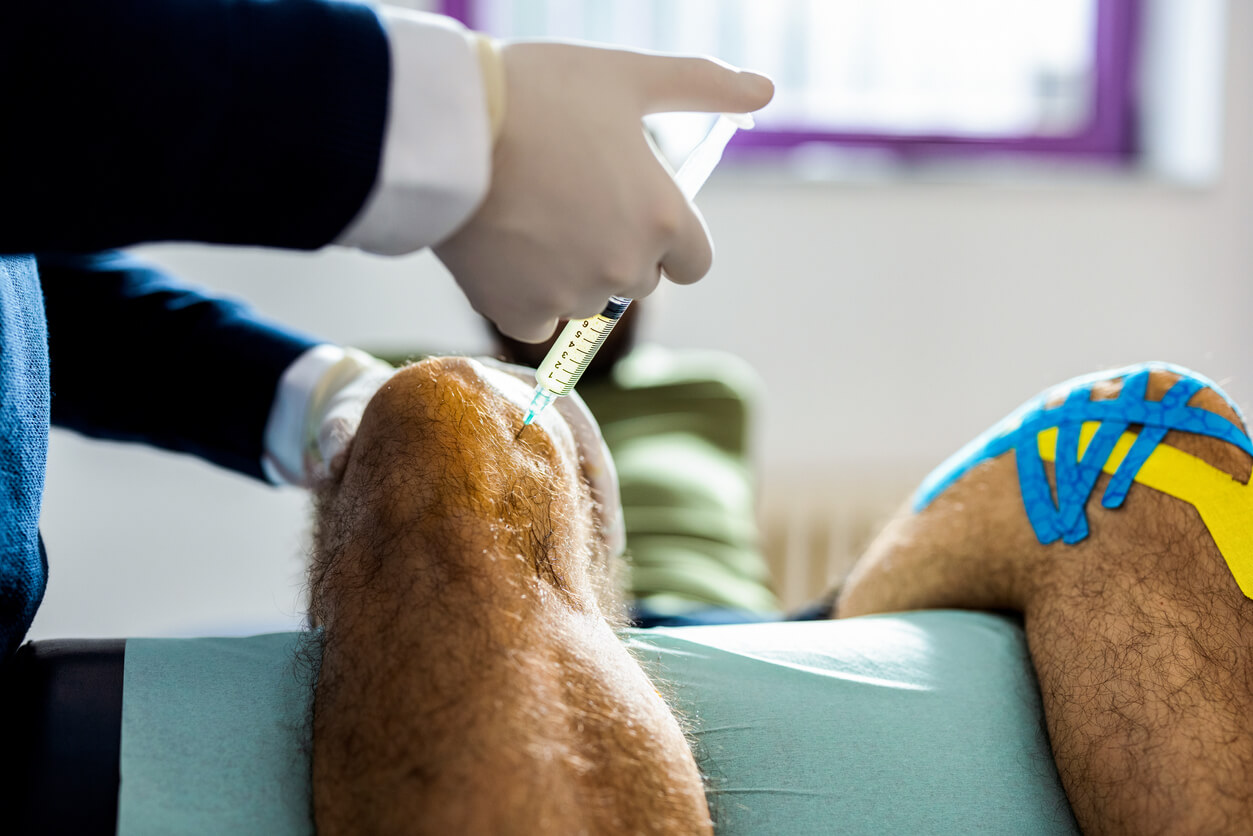

Knee pain can make simple tasks feel difficult. Walking, climbing stairs, standing for long periods, exercising, or even getting up from a chair may become uncomfortable. For people dealing with osteoarthritis, stiffness and reduced movement can also affect work, sleep, confidence, and daily independence.
TEC ORTHOPEDICS offers Hyaluronic acid injection treatment for selected patients seeking a nonsurgical option for knee discomfort. Located at Quezon City, Metro Manila, the clinic provides orthopedic assessment, treatment planning, and rehabilitation guidance under Dr. Lou Mervyn Tec, a board-certified orthopedic surgeon.
Hyaluronic acid injection, also called viscosupplementation, may help improve joint lubrication and reduce symptoms for some patients. Results vary, so a full consultation remains necessary before treatment. Dr. Tec evaluates the cause of pain, reviews prior treatments, checks joint movement, and discusses realistic expectations before recommending Hyaluronic acid injection.
What Is Hyaluronic Acid Injection?
Hyaluronic acid is a naturally occurring substance found within healthy joint fluid. Its gel-like quality helps joints move more smoothly while providing cushioning during walking, bending, and other weight-bearing activities.
Osteoarthritis can change the quality and amount of joint fluid. Cartilage may also become worn, causing friction, stiffness, tenderness, swelling, and limited movement. Hyaluronic acid injection places a prepared form of hyaluronic acid directly into the knee joint to support lubrication and shock absorption.
Hyaluronic acid injection is not a steroid, oral pain reliever, or surgical treatment. It does not regrow damaged cartilage or remove osteoarthritis. Its main purpose is symptom management. Some patients experience reduced discomfort and easier movement, while others notice little change. A careful orthopedic evaluation helps determine whether this option matches each patient’s condition.
How Knee Osteoarthritis Affects Daily Movement
Knee osteoarthritis develops when cartilage and other joint structures change over time. Cartilage normally helps bones glide against one another with minimal friction. As cartilage becomes thinner or rougher, movement may produce pain, stiffness, grinding, or swelling.
Symptoms may feel worse after prolonged activity, but stiffness may also occur after sitting or resting. Some patients have difficulty with stairs, squatting, kneeling, exercise, or long walks. Others may avoid movement because they fear pain, which can lead to weaker muscles and lower confidence.
Not every case of knee pain comes from osteoarthritis. Meniscus injuries, ligament problems, gout, infection, inflammatory arthritis, tendon conditions, and referred pain may cause similar symptoms. That is why Hyaluronic acid injection should follow a proper diagnosis rather than self-treatment.
At TEC ORTHOPEDICS, Dr. Tec reviews symptoms, medical history, physical findings, and available imaging. This process helps identify whether Hyaluronic acid injection may be reasonable or whether another treatment could be more suitable.
Who May Be Considered for Hyaluronic Acid Injection?
Hyaluronic acid injection may be discussed for adults with diagnosed knee osteoarthritis who continue to experience pain or stiffness despite conservative care. Conservative care may include activity changes, weight management, physical therapy, prescribed medication, topical treatment, or a structured exercise program.
A possible candidate may have difficulty walking, working, exercising, or completing household tasks because of knee symptoms. Some patients prefer to consider nonsurgical treatment before making decisions about more invasive procedures. Others may need symptom support while completing rehabilitation.
Age alone does not determine candidacy. Dr. Tec considers the severity of joint changes, pain pattern, range of motion, swelling, alignment, muscle strength, activity needs, previous treatment, and overall health.
Hyaluronic acid injection may not suit every patient. Active infection, skin problems near the injection area, certain allergies, major joint damage, or pain caused by another condition may require a different plan. Patients taking blood-thinning medication or managing other health concerns should discuss these matters during consultation.
Possible Benefits of Hyaluronic Acid Injection
The main goal of Hyaluronic acid injection is to support symptom relief for selected patients with knee osteoarthritis. Possible benefits may include less pain during walking, reduced stiffness, easier movement, and greater comfort during rehabilitation exercises.
Better symptom control may help some patients become more active. Improved activity can support muscle strength, balance, flexibility, and general health. Hyaluronic acid injection may also help certain patients delay decisions about surgery while they continue monitored conservative care.
Relief is not guaranteed. Some patients report meaningful improvement, some notice modest changes, and others receive no clear benefit. The response may depend on osteoarthritis severity, joint alignment, body weight, muscle condition, activity level, and other health factors.
TEC ORTHOPEDICS focuses on realistic expectations. Dr. Tec explains that Hyaluronic acid injection serves as one part of a broader treatment plan. Exercise, rehabilitation, activity modification, and follow-up care may remain necessary even when the injection provides relief.
What Happens Before Hyaluronic Acid Injection?
Preparation starts with a detailed orthopedic consultation. Dr. Tec asks about symptom duration, pain triggers, swelling, prior injuries, current medication, previous injections, surgery history, and daily activity goals.
A physical examination may include checking knee movement, tenderness, swelling, strength, alignment, stability, and walking pattern. Existing X-rays may be reviewed, and updated imaging may be recommended when necessary. Additional tests may also be considered when another cause of pain needs to be ruled out.
The consultation also covers possible benefits, limits, side effects, product schedule, aftercare, and alternative options. Hyaluronic acid injection products may differ, and some treatment plans involve one injection while others involve a series.
Patients should share complete medical details. This includes allergies, bleeding concerns, recent illness, skin infection, current medication, and prior reactions to injections. Accurate information helps support safer treatment planning.
What Happens During the Procedure?
Hyaluronic acid injection is usually performed during an outpatient clinic visit. The patient is positioned comfortably so the knee can be reached safely. The skin is cleaned, and the correct joint space is identified.
When excess fluid is present, Dr. Tec may remove some of it before giving the injection. This step depends on the condition of the knee and clinical findings. The prepared medication is then placed directly into the joint.
Patients may feel brief pressure, a pinch, or temporary discomfort. The procedure itself is usually quick, though assessment, preparation, and aftercare discussion add time to the appointment.
After Hyaluronic acid injection, Dr. Tec provides activity instructions. Patients should follow those directions carefully and avoid unnecessary strain for the recommended period.
Recovery After Hyaluronic Acid Injection
Mild soreness, tenderness, or temporary swelling may occur after Hyaluronic acid injection. These effects often settle with rest and care recommended by the orthopedic surgeon. Cold therapy may be suggested for certain patients.
Heavy exercise, running, prolonged standing, or demanding leg activity may need to be limited for a short period. Normal walking may still be possible, but activity advice should come from Dr. Tec based on the patient’s condition and treatment response.
Patients should seek medical attention for severe pain, major swelling, fever, spreading redness, difficulty bearing weight, or signs of an allergic reaction. Such reactions are uncommon, but prompt assessment matters.
Hyaluronic acid injection does not always provide immediate relief. Improvement may develop gradually. A follow-up visit allows Dr. Tec to review pain changes, walking comfort, activity tolerance, and joint movement.
How Long Can Hyaluronic Acid Injection Relief Last?
The duration of relief varies. Some patients may notice improvement for several months, while others may have a shorter response or no meaningful change. No fixed result can be promised.
Factors that may affect duration include osteoarthritis severity, activity level, weight, knee alignment, muscle strength, rehabilitation participation, and general health. Treatment results may also differ according to the product used and the patient’s prior response.
Repeat Hyaluronic acid injection should only be considered after orthopedic review. Dr. Tec evaluates whether the first treatment provided enough benefit, whether symptoms have changed, and whether another option may now be more appropriate.
Possible Risks and Side Effects
Hyaluronic acid injection is generally well tolerated by many patients, but every medical procedure carries possible risks. Common temporary effects may include soreness, swelling, stiffness, bruising, or a brief increase of joint discomfort.
Less common concerns may include infection, bleeding, allergic reaction, or significant joint irritation. Patients should follow aftercare directions and report unusual symptoms promptly.
Receiving Hyaluronic acid injection from a qualified orthopedic surgeon supports accurate diagnosis, sterile technique, correct placement, and proper follow-up. TEC ORTHOPEDICS places patient safety, clear communication, and careful selection at the center of care.
Hyaluronic Acid Injection Compared With Other Knee Treatments
Hyaluronic acid injection is one option among several treatments for knee osteoarthritis. The best choice depends on symptoms, diagnosis, health history, joint condition, and personal goals.
Corticosteroid injection may be considered for certain patients needing short-term control of inflammation and pain. Hyaluronic acid injection works differently by supporting joint lubrication. Neither option is automatically better for every patient.
Physical therapy focuses on strength, mobility, balance, and movement control. Hyaluronic acid injection does not replace rehabilitation. Some patients may benefit most when symptom management and guided exercise are combined.
Oral or topical medication may also help manage discomfort, but medical history and possible side effects must be reviewed. Patients with major structural damage, severe loss of function, or persistent symptoms may need discussion about surgery.
Dr. Tec explains each option clearly so patients can make informed decisions based on realistic benefits and risks.
Why Rehabilitation Remains Important
Strong muscles help support the knee. Weak quadriceps, hip muscles, or calf muscles may increase strain during walking, standing, and climbing stairs. Rehabilitation can address these issues through guided strengthening and movement practice.
Flexibility work may help reduce stiffness and support a safer range of motion. Balance exercises can improve stability, while activity modification can reduce repeated stress.
Hyaluronic acid injection may make movement more comfortable for some patients, which can support better participation during therapy. Still, the injection alone does not correct every cause of pain.
TEC ORTHOPEDICS may coordinate care with physical therapists to build a program based on the patient’s needs. Goals may include walking with less discomfort, returning to work, completing household tasks, exercising safely, or preparing for another orthopedic procedure.
Why Choose TEC ORTHOPEDICS at Quezon City?
TEC ORTHOPEDICS provides patient-centered orthopedic care for bone, joint, muscle, and movement concerns. Dr. Lou Mervyn Tec is a board-certified orthopedic surgeon who focuses on careful assessment, clear explanations, and practical treatment planning.
Patients receive time to discuss symptoms, concerns, prior treatment, and personal goals. Dr. Tec explains whether Hyaluronic acid injection may be suitable and reviews other options when needed.
The clinic also values continued support. Care does not end after the injection. Follow-up assessment and rehabilitation guidance help patients track progress and make sensible decisions about future treatment.
Located at Quezon City, Metro Manila, TEC ORTHOPEDICS offers access for patients seeking Hyaluronic acid injection and other orthopedic services near nearby communities.
Questions to Ask During Your Consultation
Patients considering Hyaluronic acid injection may ask what is causing their knee pain, whether osteoarthritis has been confirmed, how severe the joint changes are, and what results may be realistic.
Other useful questions include how many injections may be needed, which side effects require urgent care, when regular activity may resume, whether physical therapy should continue, and what options remain when treatment does not help.
Clear questions support shared decision-making. Dr. Tec encourages patients to understand each recommendation before proceeding.
Frequently Asked Questions About Hyaluronic Acid Injection
Is Hyaluronic Acid Injection Painful?
Most patients feel a brief pinch, pressure, or mild discomfort during the procedure. Temporary soreness may occur afterward. Dr. Tec explains what to expect and provides aftercare guidance.
Is Hyaluronic Acid Injection the Same as a Steroid Injection?
No. Steroid injections aim to reduce inflammation, while Hyaluronic acid injection supports lubrication and cushioning within the joint. Each option has different uses, benefits, and limits.
Can Hyaluronic Acid Injection Cure Osteoarthritis?
No. Hyaluronic acid injection may help manage pain and stiffness for some patients, but it does not cure osteoarthritis or restore lost cartilage.
How Many Injections Are Needed?
The number depends on the product and treatment plan. Some products require one injection, while others may require a series. Dr. Tec discusses the schedule before treatment.
Can I Walk After Hyaluronic Acid Injection?
Many patients can walk after the procedure, but activity should remain light for the period recommended by Dr. Tec. Heavy exercise or prolonged standing may need to be avoided temporarily.
How Quickly Does Hyaluronic Acid Injection Work?
Relief may develop gradually rather than immediately. Some patients notice improvement after several days or weeks. Others may receive little or no benefit.
Can Younger Adults Receive Hyaluronic Acid Injection?
Possible candidacy depends on diagnosis, symptoms, joint condition, health history, and prior treatment rather than age alone.
Can Hyaluronic Acid Injection Be Repeated?
Repeat treatment may be considered after clinical review. Dr. Tec checks prior response, current symptoms, and other treatment options before making a recommendation.
Does Hyaluronic Acid Injection Replace Physical Therapy?
No. Physical therapy may remain important for strength, flexibility, balance, and movement control. The injection may support comfort, but rehabilitation addresses broader functional needs.
Where Can I Receive Hyaluronic Acid Injection at Quezon City?
TEC ORTHOPEDICS offers orthopedic assessment and Hyaluronic acid injection treatment for selected patients at Quezon City, Metro Manila. A consultation with Dr. Tec helps determine whether this option matches your diagnosis and treatment goals.