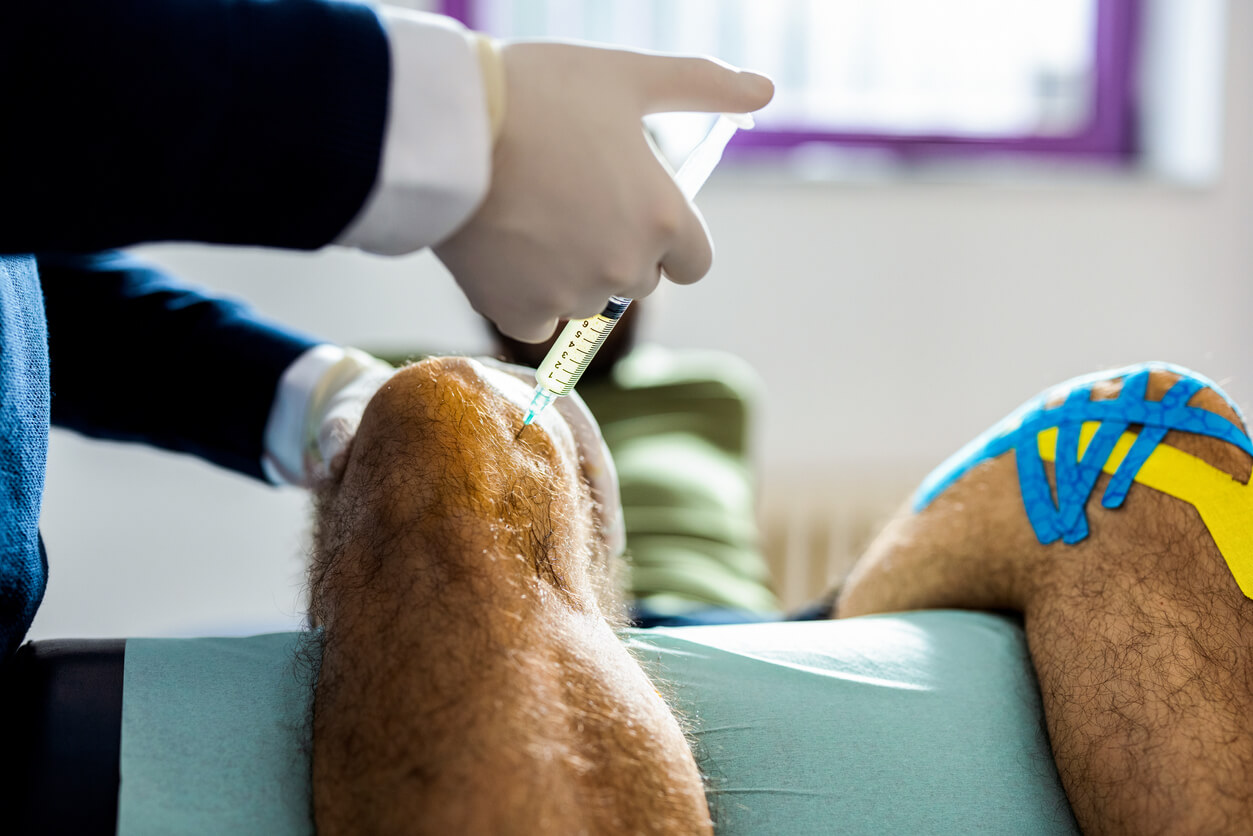

Joint pain can affect walking, work, exercise, sleep, and simple daily tasks. When rest, oral medicine, activity changes, or physical therapy do not provide enough relief, an orthopedic doctor may discuss a Steroid injection as one possible option. This procedure may help reduce pain and swelling linked to selected joint or soft-tissue conditions.
A Steroid injection does not suit every patient or every cause of pain. Proper assessment remains essential because similar symptoms can come from arthritis, bursitis, tendon irritation, cartilage damage, ligament problems, fractures, nerve pressure, or other conditions. TEC Orthopedics focuses on careful evaluation, clear communication, and care plans based on each patient’s goals, health history, and mobility needs.
Dr. Tec works with patients to identify the likely source of discomfort before recommending any procedure. Through a patient-centered process, he explains expected benefits, possible risks, other treatment choices, and aftercare steps. This approach helps patients make informed decisions about whether a Steroid injection fits their situation.
What Is a Steroid Injection?
A Steroid injection delivers corticosteroid medicine near a painful joint, bursa, or selected soft-tissue area. Corticosteroids are medicines that may lower swelling and calm irritation. They differ from anabolic steroids linked to muscle growth.
Some Steroid injection procedures also use a local anesthetic. The anesthetic may reduce discomfort during or shortly after the procedure, while the corticosteroid may take more time to affect symptoms. The exact medicine, dose, and placement depend on the body area, diagnosis, prior treatment, and medical history.
A Steroid injection usually forms one part of a broader orthopedic care plan. It may support pain control, easier movement, or participation during rehabilitation. It does not automatically repair torn tissue, restore worn cartilage, or correct a major structural problem. That distinction matters when setting realistic expectations.
How Does a Steroid Injection Work?
Pain often becomes worse when tissue around a joint becomes irritated or swollen. A Steroid injection places anti-inflammatory medicine close to the area believed to be causing symptoms. Reduced swelling may lessen pressure and pain, which may help a patient move more comfortably.
Response differs from one person to another. Some patients notice relief after a short period, while others need several days before a change becomes clear. Some gain meaningful relief, while others notice only a small change or no benefit.
A Steroid injection may offer temporary symptom control rather than a permanent cure. Duration can vary based on the condition, severity, joint health, activity level, general health, and response to treatment. Dr. Tec discusses these factors before the procedure so the patient has a practical view of likely results.
Conditions That May Be Assessed for Steroid Injection
Several orthopedic conditions may cause pain and swelling that could respond to a Steroid injection. A consultation helps determine whether the procedure suits the diagnosis.
Osteoarthritis
Osteoarthritis may cause joint pain, stiffness, swelling, and reduced motion. A Steroid injection may be considered for selected patients who need temporary symptom relief. The shot does not rebuild cartilage, but it may help control discomfort during a painful flare.
Bursitis
Bursae are small fluid-filled sacs that reduce friction near joints. When a bursa becomes irritated, pain may occur around the shoulder, hip, elbow, knee, or another area. A Steroid injection may help selected cases after examination confirms the likely source of pain.
Shoulder Pain
Shoulder discomfort can come from bursitis, arthritis, tendon problems, or other causes. A Steroid injection may be discussed after a physical examination and, when needed, diagnostic imaging. Correct placement matters because shoulder pain can arise from several nearby structures.
Knee Pain
Knee pain may result from arthritis, swelling, cartilage wear, tendon irritation, or another issue. A Steroid injection may help selected patients, yet the treatment choice should follow a clear diagnosis. Persistent locking, major instability, trauma, or severe weakness may require another approach.
Hand, Wrist, Hip, Ankle, or Foot Pain
Selected joint and soft-tissue problems affecting the hand, wrist, hip, ankle, or foot may also be considered for a Steroid injection. Each area has its own risks, technical factors, and recovery needs. Careful orthopedic review helps determine whether the expected benefit supports the procedure.
Who May Be a Candidate for Steroid Injection?
A patient may be considered for a Steroid injection when pain and swelling limit mobility, work, sleep, exercise, or rehabilitation. The procedure may also be discussed when simpler measures have not provided enough relief.
Possible candidates often share several factors:
- A diagnosis linked to local swelling or irritation
- Symptoms that affect daily function
- Limited relief from rest, activity changes, medicine, or therapy
- A need for temporary symptom control
- No clear reason that makes the procedure unsafe
- Realistic expectations about results
Dr. Tec reviews medical history, medicines, allergies, prior injections, current symptoms, and treatment goals. A Steroid injection should be chosen because the likely benefit supports its use, not simply because pain is present.
When a Steroid Injection May Not Be Recommended
Certain situations may make a Steroid injection unsuitable or require added caution. Possible concerns include infection near the injection site, fever, poorly controlled blood sugar, bleeding risk, allergy to a proposed medicine, or recent treatment affecting the same area.
Blood-thinning medicine may require special review. Patients should never stop prescribed medicine without guidance from the doctor managing that treatment. Diabetes also deserves careful discussion because corticosteroid medicine may temporarily raise blood sugar.
A Steroid injection may not be the right choice when symptoms suggest a fracture, major tendon tear, advanced structural damage, nerve compression, or another condition needing different care. Extra testing may be advised before any injection takes place.
What Happens Before a Steroid Injection?
Preparation begins with a detailed consultation. Dr. Tec asks about pain location, duration, triggers, prior injuries, previous treatment, health conditions, current medicine, and activity limits. A physical examination checks motion, strength, tenderness, swelling, stability, and other signs.
An X-ray, ultrasound, or another test may be requested when the diagnosis remains uncertain or when anatomy needs closer review. These findings help confirm whether a Steroid injection has a reasonable role.
Before the procedure, the patient receives an explanation of expected benefits, possible side effects, alternatives, and aftercare. This discussion also gives the patient time to ask questions. TEC Orthopedics supports shared decision-making, so the patient understands why a Steroid injection is being considered and what the next steps may involve.
What Happens During the Steroid Injection Procedure?
The treatment area is cleaned, and the patient is positioned so the target area can be reached safely. A numbing medicine may be applied or mixed with the corticosteroid, depending on the plan.
Dr. Tec carefully places the needle at the selected site and delivers the medicine. Some cases may benefit from image guidance, especially when the target is small, deep, or difficult to locate by touch alone.
A Steroid injection usually takes only a brief period, though the full visit may take longer because of preparation, assessment, and observation. The patient may feel a pinch, pressure, or short-lasting discomfort. Sensation varies based on the body area and personal pain tolerance.
Is a Steroid Injection Painful?
Many patients describe a Steroid injection as a quick pinch followed by pressure. Some body areas feel more sensitive than others. Local anesthetic may help reduce discomfort during or shortly after the procedure.
Mild soreness can occur after the shot. A temporary pain flare may also happen before the corticosteroid effect becomes noticeable. Dr. Tec may advise rest, a cold pack, and activity limits for a short period.
Severe pain, marked swelling, spreading redness, fever, drainage, or other unusual symptoms should be reported promptly. These signs do not always mean a serious problem, but they deserve medical review.
How Soon Can Steroid Injection Relief Begin?
A local anesthetic may provide early relief for some patients, but that effect can wear off before the corticosteroid starts working. The Steroid injection itself may take several hours or several days before a change becomes clear.
Patients should avoid judging the final result too early. Tracking pain, motion, sleep quality, and daily function can help during follow-up. A pain diary may also show whether relief is steady, temporary, or linked to certain activities.
No doctor can promise complete relief. A Steroid injection may reduce symptoms, but results depend on the condition and the patient’s response.
How Long Can Steroid Injection Relief Last?
Relief after a Steroid injection may last for days, weeks, or longer. Some patients gain strong relief, while others receive only modest or brief improvement. The underlying condition, joint health, activity level, body area, and rehabilitation plan can affect duration.
Symptom return does not automatically mean another Steroid injection should be given. Reassessment helps determine whether the diagnosis remains correct, whether the condition has changed, or whether another treatment would offer greater value.
Dr. Tec may recommend physical therapy, activity changes, medicine, bracing, another injection option, or surgery based on new findings and current goals.
Benefits of Steroid Injection for Selected Patients
A Steroid injection may offer several benefits when used for the right condition and patient. Possible benefits include:
- Targeted medicine delivery
- Reduced pain and swelling
- Better joint motion
- Easier participation during physical therapy
- Greater comfort during daily tasks
- A short office-based procedure
- Limited downtime for many patients
- Temporary support while another care plan takes effect
These benefits are not guaranteed. Proper selection, accurate placement, and realistic expectations all play a major role. TEC Orthopedics focuses on matching treatment to diagnosis rather than using one solution for every patient.
Possible Steroid Injection Risks and Side Effects
Every procedure carries possible risks. Common short-term effects after a Steroid injection may include soreness, bruising, temporary warmth, facial flushing, or a brief increase of pain.
Other possible concerns include infection, bleeding, skin color change, thinning of tissue near the injection site, or a temporary blood sugar rise. Repeated shots may raise concern about cartilage, tendon, or nearby tissue, depending on the location and frequency.
Patients should tell Dr. Tec about diabetes, blood-thinning medicine, allergies, pregnancy, recent illness, prior Steroid injection procedures, and any history of unusual reactions. Honest medical information supports safer care.
Aftercare Following a Steroid Injection
Aftercare helps protect the treated area and supports accurate assessment of the result. Dr. Tec may provide instructions based on the joint, tissue, and procedure.
Common guidance may include resting the area, avoiding strenuous activity for a short period, keeping the site clean, and using a cold pack when advised. Patients should follow medicine instructions and avoid testing the joint too aggressively just because early pain relief occurs.
Return to work or exercise depends on the body area, job demands, sport, and response. Physical therapy may resume after clearance. A follow-up visit may be advised when symptoms persist, worsen, or return.
Can Steroid Injection Be Repeated?
A Steroid injection may be repeated for selected patients, but repeat treatment should never be automatic. The doctor considers the number of prior shots, time between procedures, body area, response, side effects, and tissue condition.
Frequent injections may increase concern about cartilage, tendons, skin, or other nearby structures. For that reason, Dr. Tec may limit repeat procedures or recommend another option.
When relief becomes shorter with each Steroid injection, the care plan may need revision. New imaging, rehabilitation changes, a different procedure, or surgery may be discussed.
Steroid Injection and Physical Rehabilitation
Pain relief can create an opportunity for better movement, but lasting progress often depends on what happens after the Steroid injection. Physical therapy may address weakness, stiffness, poor movement patterns, balance problems, and reduced endurance.
Dr. Tec works with physical therapists to create rehabilitation plans based on the patient’s condition and goals. Therapy may focus on strength, flexibility, joint control, posture, walking mechanics, or gradual return to sport.
A Steroid injection and physical therapy serve different roles. The injection may calm symptoms, while rehabilitation helps improve function and reduce strain. Combining both may benefit selected patients when the diagnosis and timing support that plan.
Steroid Injection Compared With Other Treatment Options
A Steroid injection is only one possible treatment. Oral medicine may help some patients, though it affects the whole body and may have its own risks. Physical therapy focuses on movement, strength, flexibility, and function.
Platelet-rich plasma therapy uses a different approach and may be discussed for selected conditions. Evidence, cost, recovery, and suitability vary by diagnosis.
Surgery may be needed when major structural damage, instability, severe arthritis, or persistent symptoms do not respond to non-surgical care. A Steroid injection does not replace surgery when repair or reconstruction is required.
Dr. Tec explains how each option may fit the diagnosis, allowing patients to compare benefits, limits, recovery needs, and possible risks.
Why Choose TEC Orthopedics for Steroid Injection Assessment?
TEC Orthopedics places the patient at the center of care. Dr. Tec listens to concerns, reviews symptoms carefully, and explains the possible cause of pain before recommending a Steroid injection.
The clinic’s approach includes thorough assessment, shared decisions, clear communication, modern orthopedic methods, and coordination with physical therapists or other specialists when needed. Each care plan reflects the patient’s mobility goals, work demands, daily activities, and preferences.
A Steroid injection may be helpful, but the procedure should never be treated as a routine answer for every painful joint. TEC Orthopedics focuses on choosing care that matches the condition and supports safer recovery.
Questions to Ask Before a Steroid Injection
Patients can prepare for consultation by asking practical questions:
- What condition is causing my pain?
- Why may a Steroid injection help?
- What result can I reasonably expect?
- What risks apply to my health history?
- Could the medicine affect my blood sugar?
- Should any current medicine be reviewed?
- How much rest will I need?
- When may I return to work or exercise?
- Will physical therapy be part of my plan?
- What happens when the shot does not help?
Clear answers help patients take an active role during treatment decisions.
Take the Next Step Toward Better Movement
Persistent joint or soft-tissue pain can limit independence, work, exercise, and quality of life. A Steroid injection may provide useful relief for selected conditions, yet proper diagnosis should come first.
TEC Orthopedics offers patient-focused assessment, clear treatment discussions, and recovery planning built around individual goals. Dr. Tec can review your symptoms, explain whether a Steroid injection may suit your condition, and discuss other options when another form of care offers a better path.
Book an orthopedic consultation with TEC Orthopedics to receive a careful evaluation and a treatment plan focused on safer movement, reduced pain, and improved daily function.
Frequently Asked Questions About Steroid Injection
What is a Steroid injection used for?
A Steroid injection may be used for selected joint or soft-tissue conditions linked to pain and swelling. Common examples can include arthritis, bursitis, and certain shoulder, knee, hand, wrist, hip, ankle, or foot problems. Proper diagnosis determines whether the procedure is suitable.
How quickly can a Steroid injection relieve pain?
Some patients notice early relief from local anesthetic, while the corticosteroid effect may take several hours or several days. Response varies, and complete pain relief cannot be guaranteed.
How long does Steroid injection relief last?
Relief may last for days, weeks, or longer. Duration depends on the diagnosis, body area, joint health, activity level, and personal response.
Can a person with diabetes receive a Steroid injection?
Some people with diabetes may still receive a Steroid injection, but corticosteroid medicine may temporarily raise blood sugar. Medical review and closer glucose monitoring may be needed.
Can I exercise after a Steroid injection?
Patients should follow Dr. Tec’s activity instructions. Strenuous exercise may need to be paused for a short period, depending on the body area and procedure.
How many Steroid injection procedures can I receive?
No single number suits every patient. Frequency depends on the joint, diagnosis, prior response, tissue condition, and health history. Repeat treatment requires medical review.
Does a Steroid injection cure arthritis?
A Steroid injection may reduce arthritis pain and swelling for some patients, but it does not rebuild lost cartilage or cure the condition.
What happens when a Steroid injection does not work?
Dr. Tec may reassess the diagnosis and discuss physical therapy, medicine, bracing, another procedure, added testing, or surgery. The next step depends on the cause of pain and current findings.
Do I need an orthopedic consultation first?
Yes. A consultation helps confirm the diagnosis, review health risks, compare treatment choices, and determine whether a Steroid injection has a suitable role.
Where can I ask about Steroid injection treatment?
TEC Orthopedics provides orthopedic assessment, treatment planning, procedure guidance, and rehabilitation support. Patients can consult Dr. Tec to discuss symptoms and determine the most suitable care option.