A Closer Look at Ganglion Cysts
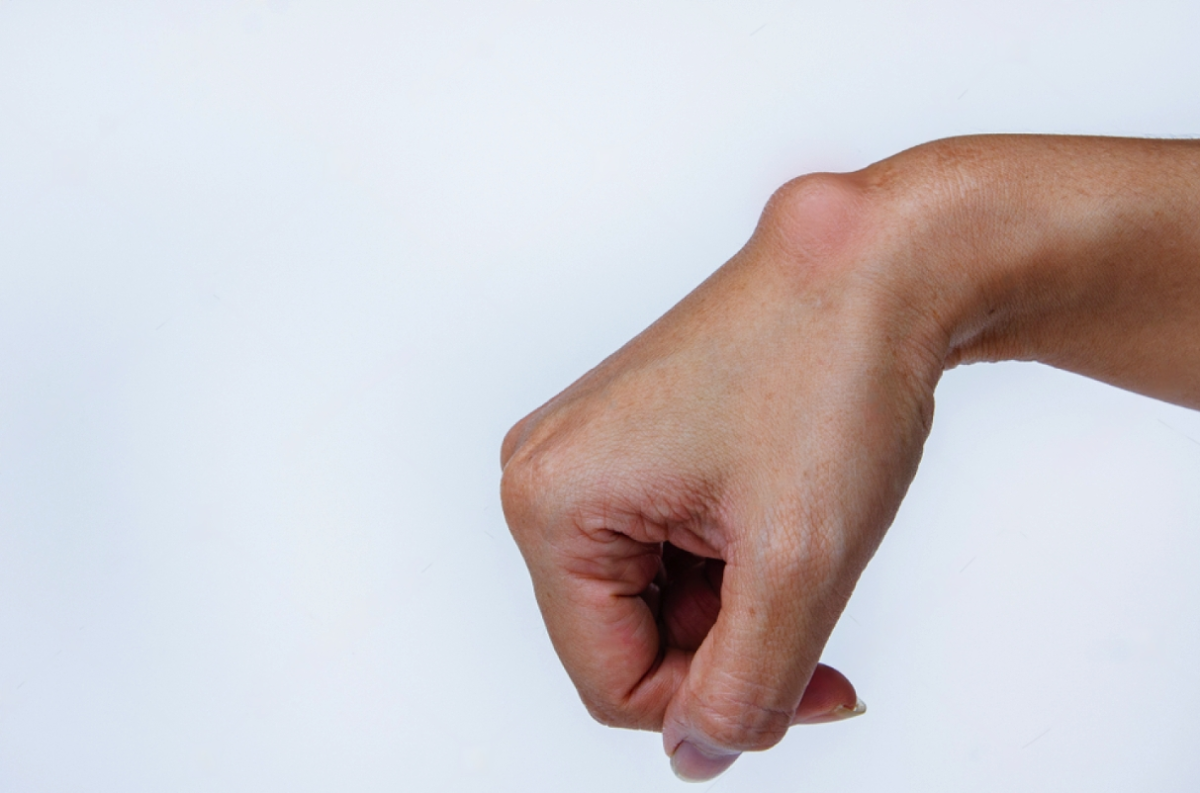
Ganglion cysts are noncancerous, fluid-filled lumps that typically develop near joints or tendons, most commonly in the wrist, hand, ankle, or foot. These cysts contain a thick, jelly-like fluid and may change in size over time. While some ganglion cysts remain small and painless, others grow large enough to cause discomfort or limit joint movement. Repetitive stress, prior injuries, or joint irritation are often linked to their development. Many people notice the cyst during routine activities such as typing, lifting, or gripping objects. Although ganglion cysts are not dangerous, their impact on daily comfort and function can be significant. Understanding how these cysts form helps patients determine whether surgery is the right treatment option.
Signs That Should Not Be Ignored
The most noticeable sign of a ganglion cyst is a visible lump that appears suddenly or gradually over time. The lump may feel firm or soft and can move slightly under the skin. Some individuals experience pain when the cyst presses against nearby nerves, especially during movement. Stiffness and reduced flexibility in the affected joint are also common symptoms. In certain cases, weakness or tingling sensations may occur. Medical evaluation often begins when pain interferes with work, exercise, or daily routines. Early assessment ensures that appropriate treatment, including surgical removal if needed, can be planned effectively.
How Ganglion Cysts Are Diagnosed
Diagnosis usually starts with a physical examination where the physician evaluates the size, shape, and location of the cyst. Gentle pressure may be applied to assess tenderness or mobility. Imaging tests such as ultrasound help determine whether the lump is fluid-filled or solid. MRI scans may be used when the cyst is deep or located near important structures. These diagnostic tools help rule out other conditions and confirm the presence of a ganglion cyst. Accurate diagnosis is essential for choosing the most suitable treatment approach. Patients benefit from clear explanations of findings before moving forward with any procedure.
When Non-Surgical Options Are Considered
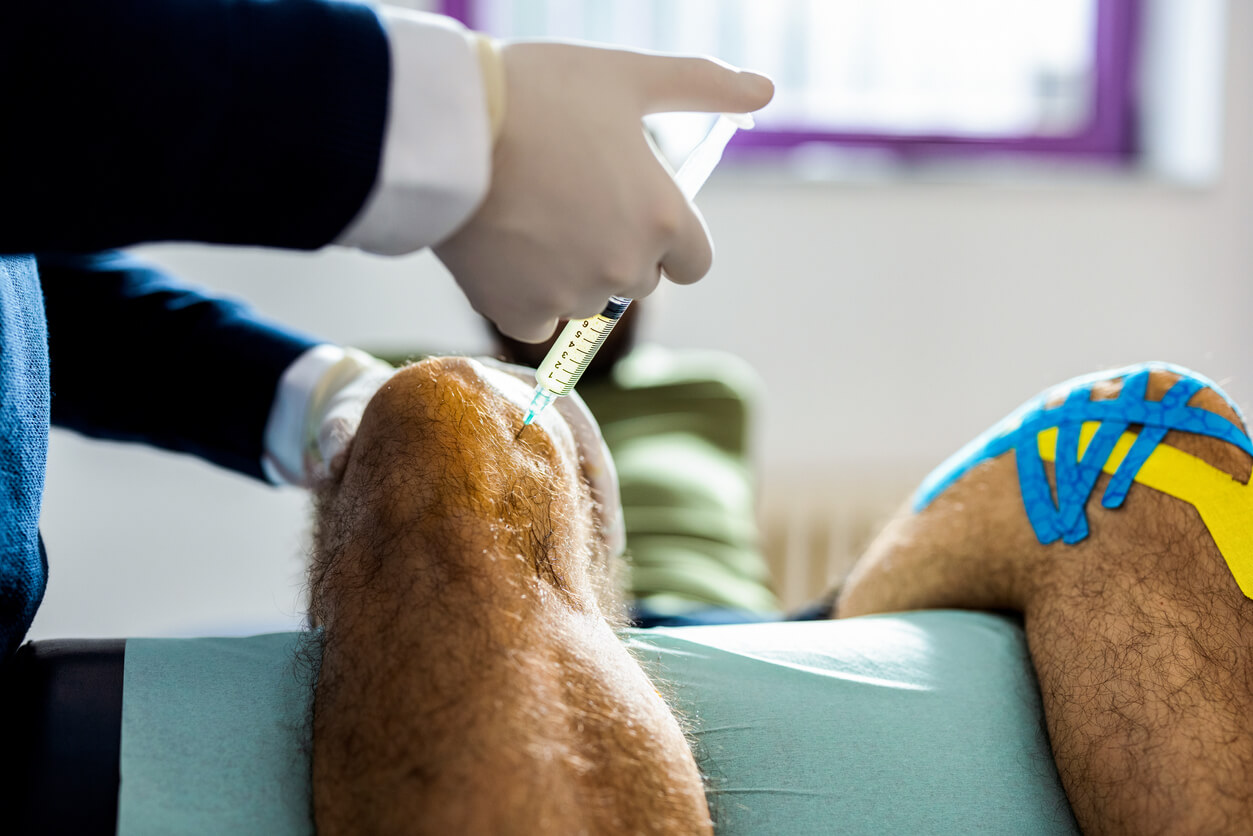
Many ganglion cysts do not require immediate surgery. Observation is often recommended when the cyst is painless and does not limit movement. Activity modification, including reducing repetitive joint use, can prevent worsening symptoms. Wrist braces or supportive wraps may help manage discomfort during daily activities. Aspiration, which involves draining the fluid with a needle, can temporarily reduce the cyst’s size. However, recurrence is common because the cyst wall remains intact. Non-surgical methods are typically explored first before considering surgery, especially for mild cases.
Ganglion Cyst Surgery in Manila
Ganglion cyst surgery is recommended when pain persists, mobility is restricted, or the cyst repeatedly returns after non-surgical treatment. The procedure aims to remove both the cyst and its connection to the joint or tendon. Two main surgical techniques are used, depending on the cyst’s location and complexity. Open excision allows direct access to the cyst through a small incision. Arthroscopic surgery uses a tiny camera and specialized instruments for minimally invasive removal. Both methods are widely available in Manila and are performed by trained specialists. Surgery is typically completed within an hour and may be done under local or general anesthesia.
What Happens Before and During the Procedure
Pre-surgery preparation includes a medical review, imaging confirmation, and discussion of anesthesia options. Patients receive instructions on fasting, medications, and post-surgery care. During the procedure, the surgeon carefully removes the cyst and its stalk to reduce recurrence risk. Precision is especially important when cysts are located near nerves or tendons. The incision is closed with sutures and covered with a sterile dressing. Patients are monitored briefly after surgery before being discharged. Clear communication throughout the process helps patients feel confident and prepared.
Recovery Timeline and Aftercare Expectations
Healing after ganglion cyst surgery requires proper aftercare and patience. The affected area is often immobilized with a splint to reduce swelling and support healing. Pain and discomfort are managed with prescribed medications. Gradual movement is encouraged once approved by the surgeon. Physical therapy or guided exercises may be recommended to restore strength and flexibility. Follow-up appointments allow the surgeon to assess healing progress. Most patients resume normal activities within four to six weeks, depending on the cyst’s location and individual recovery speed.
Key Recovery Guidelines Patients Often Follow
• Keep the surgical area clean and dry
• Avoid heavy lifting or repetitive movements
• Attend scheduled follow-up visits
• Perform recommended hand or joint exercises
• Report unusual pain, swelling, or redness promptly
Understanding Possible Risks and Outcomes
Ganglion cyst surgery has a high success rate, but potential risks should still be considered. Infection, scarring, or stiffness may occur in some cases. Rare complications include nerve irritation or tendon injury. Recurrence is possible if any part of the cyst stalk remains. Choosing an experienced surgeon significantly lowers these risks. Patients who follow post-operative instructions closely tend to recover faster and experience better outcomes. Being informed about risks allows patients to make confident treatment decisions.
Choosing a Trusted Surgeon or Clinic
Selecting the right healthcare provider is a vital step in successful treatment. Look for surgeons with experience in hand or joint procedures. Clinics equipped with modern imaging and surgical tools often provide more precise care. Clear consultation, transparent pricing, and patient support services enhance the overall experience. Accessibility and follow-up care availability should also be considered. Taking time to research options helps ensure quality care and peace of mind.
Frequently Asked Questions
How long does ganglion cyst surgery usually take
Most procedures last between 30 minutes and one hour, depending on cyst size and location.
Is the procedure painful
Discomfort is usually mild and managed effectively with prescribed medications.
Can a ganglion cyst come back after surgery
Recurrence is possible but less likely when the cyst and its stalk are fully removed.
How soon can normal activities resume
Light activities may resume within weeks, while full recovery often takes four to six weeks.
Are non-surgical treatments still an option
Yes, observation and aspiration are commonly considered before surgery.
Is surgery performed on an outpatient basis
Most patients return home the same day after the procedure.
Takeaway
Ganglion Cyst Surgery Manila provides an effective solution for individuals dealing with persistent pain, limited movement, or recurring cysts. Understanding the condition, knowing when surgery is appropriate, and choosing a qualified surgeon all contribute to better outcomes. With proper preparation and aftercare, recovery is typically smooth and predictable. Modern surgical options available in Manila ensure safe and precise treatment tailored to individual needs. Making informed decisions empowers patients to regain comfort, function, and confidence in daily life.