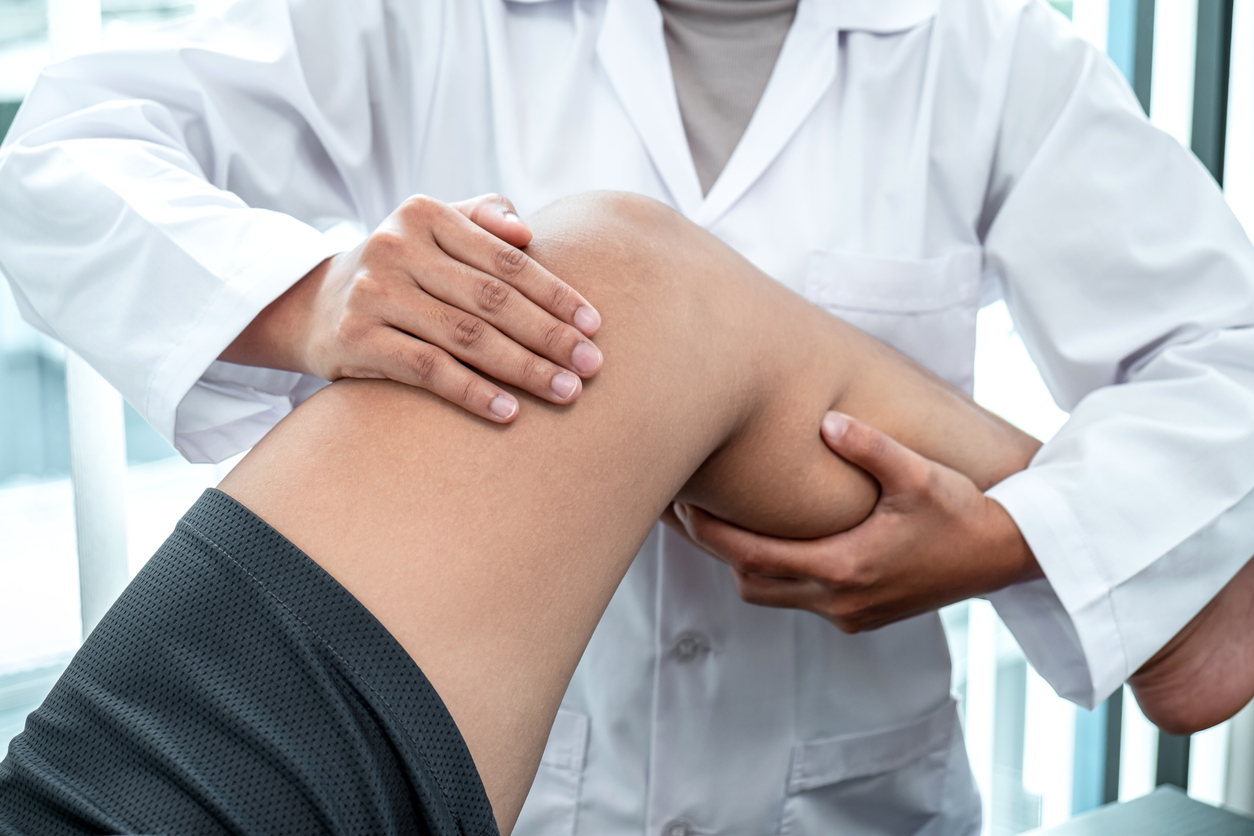
Osteoarthritis affects millions of people worldwide and is one of the most common causes of chronic joint pain and reduced mobility. Many individuals experience stiffness, swelling, and difficulty performing everyday activities such as walking, climbing stairs, or even standing for long periods. Over time, these limitations can significantly affect quality of life.
PRP for osteoarthritis has become an increasingly popular non-surgical treatment option for patients seeking long-term relief without undergoing invasive procedures. This regenerative approach focuses on improving joint function naturally and supporting the body’s healing process. Clinics such as Tec Orthopedics are helping patients explore PRP for osteoarthritis as a modern alternative to surgery.
What Is PRP Therapy? Understanding the Basics
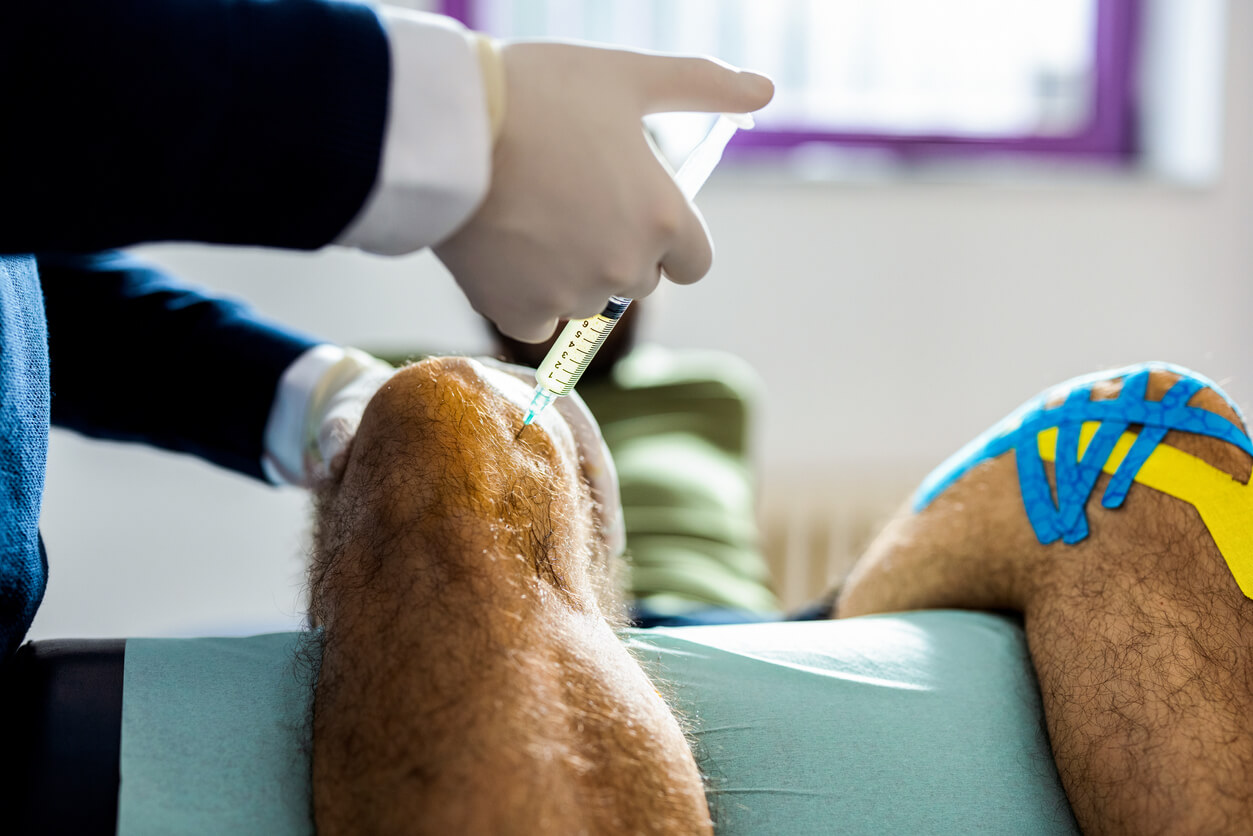
PRP stands for Platelet-Rich Plasma, a treatment derived from a patient’s own blood. The process involves drawing a small amount of blood, processing it in a centrifuge to concentrate the platelets, and then injecting the enriched plasma into the affected joint.
Platelets contain powerful growth factors that play a key role in tissue repair and healing. When used in PRP for osteoarthritis, these growth factors help stimulate the body’s natural recovery mechanisms. Instead of masking pain like traditional medications, PRP for osteoarthritis aims to address the underlying joint degeneration.
PRP therapy is widely used in orthopedic medicine because it is minimally invasive and leverages the body’s natural biological resources.
How PRP Works for Osteoarthritis
PRP for osteoarthritis works by targeting inflammation and supporting tissue regeneration within the joint. Osteoarthritis is characterized by cartilage breakdown, inflammation, and reduced cushioning between bones. PRP helps address these issues in several ways.
First, it reduces inflammation in the affected joint, which is one of the primary causes of pain and stiffness. Second, PRP stimulates cellular activity that may support cartilage repair and slow further degeneration. Third, it may improve synovial fluid function, which enhances joint lubrication and movement.
Patients receiving PRP for osteoarthritis often report gradual improvement in pain levels and joint flexibility as healing progresses over time.
Benefits of PRP for Improving Mobility Without Surgery
One of the most significant advantages of PRP for osteoarthritis is its ability to improve mobility without the need for surgery. Many patients prefer this option because it avoids the risks and long recovery periods associated with surgical procedures.
Key benefits include reduced joint pain, improved range of motion, and enhanced ability to perform daily activities. PRP for osteoarthritis also offers a minimally invasive approach, requiring only injections rather than incisions or hospitalization.
Another advantage is recovery time. Most patients resume light activities shortly after treatment, making PRP for osteoarthritis a practical solution for active individuals who cannot afford long downtime.
Which Joints Can Be Treated with PRP?
PRP for osteoarthritis is commonly used to treat several joints affected by degeneration. The knee is the most frequently treated joint due to its weight-bearing function and high incidence of osteoarthritis.
Other commonly treated areas include the hip, shoulder, elbow, and ankle. PRP for osteoarthritis in these joints can help restore function and reduce pain, especially in early to moderate stages of degeneration.
The effectiveness of PRP may vary depending on the severity of the condition and the patient’s overall health.
What to Expect During a PRP Procedure
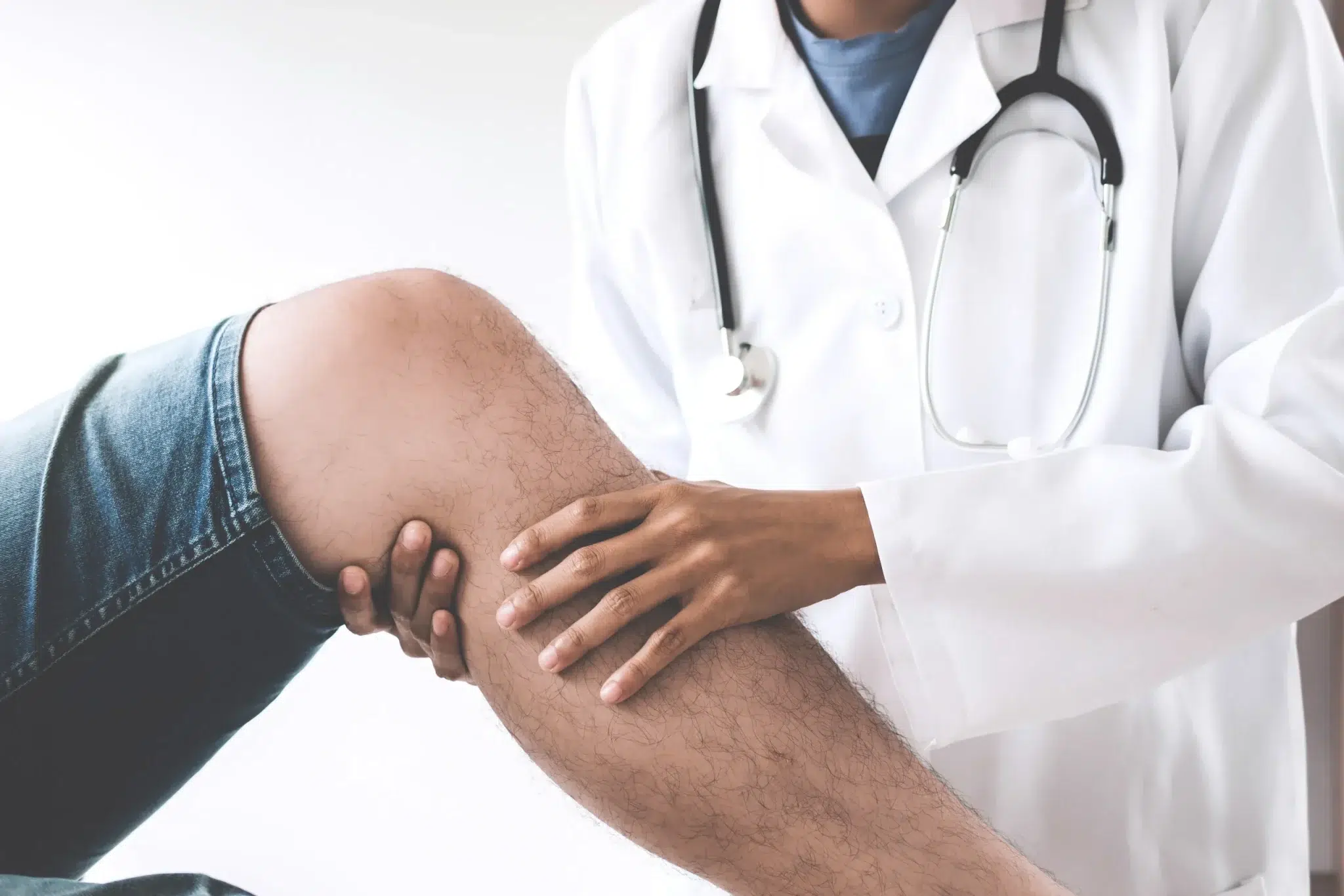
Patients undergoing PRP for osteoarthritis typically begin with a consultation and diagnostic evaluation. The provider assesses the affected joint and determines whether PRP is appropriate.
The procedure starts with a blood draw, followed by processing the sample in a centrifuge to isolate platelet-rich plasma. The concentrated PRP is then injected into the affected joint, often with ultrasound guidance for precision.
PRP for osteoarthritis is generally well tolerated, and local anesthesia may be used to minimize discomfort during the injection process. The entire procedure usually takes less than an hour.
Recovery and Results Timeline
After receiving PRP for osteoarthritis, patients may experience mild soreness or swelling at the injection site. This is a normal response as the healing process begins.
Improvements are not immediate. Many patients begin noticing reduced pain and improved mobility within 2 to 6 weeks. The full benefits of PRP for osteoarthritis may continue to develop over several months as tissue repair progresses.
Some individuals may require multiple sessions depending on the severity of their condition and their response to treatment.
PRP vs Traditional Treatments for Osteoarthritis
Traditional treatments for osteoarthritis often include pain medications, corticosteroid injections, and physical therapy. While these approaches can provide temporary relief, they do not address the underlying degeneration.
PRP for osteoarthritis differs because it focuses on regeneration rather than symptom suppression. Compared to steroid injections, PRP offers longer-lasting effects for many patients. It also complements physical therapy by improving joint function and reducing pain, making movement easier during rehabilitation.
Surgery is typically reserved for advanced cases, but PRP for osteoarthritis may help delay or even avoid the need for joint replacement in some patients.
Who Is a Good Candidate for PRP Therapy?
PRP for osteoarthritis is best suited for individuals with mild to moderate joint degeneration. Active adults who want to maintain mobility without undergoing surgery are often ideal candidates.
Patients who have not responded well to medications or other conservative treatments may also benefit from PRP for osteoarthritis. However, those with severe joint damage or advanced bone-on-bone arthritis may require alternative interventions.
A proper medical evaluation is essential to determine suitability.
Limitations and Considerations
While PRP for osteoarthritis offers promising results, it is not a guaranteed cure. Outcomes vary depending on the patient’s condition, age, and lifestyle factors.
It is also important to understand that PRP for osteoarthritis may not fully reverse advanced joint damage. Costs can vary, and insurance coverage is not always available, making it important for patients to consider financial factors as well.
Realistic expectations are essential for achieving satisfaction with treatment outcomes.
Expert Insights: What Orthopedic Specialists Say
Orthopedic specialists increasingly recognize PRP for osteoarthritis as a valuable part of regenerative medicine. Research suggests that PRP can help reduce pain and improve function in many patients, especially when combined with rehabilitation and lifestyle modifications.
Clinics like Tec Orthopedics emphasize a comprehensive approach, combining PRP for osteoarthritis with physical therapy and long-term joint care strategies. This integrated method helps maximize patient outcomes and supports sustained mobility improvements.
A Non-Surgical Path to Better Mobility
PRP for osteoarthritis offers a promising non-surgical option for individuals seeking to reduce pain and improve mobility. By using the body’s own healing mechanisms, this treatment provides a natural approach to joint recovery and function improvement.
For patients looking for expert care and advanced regenerative treatment options, Tec Orthopedics stands out as a trusted provider of PRP for osteoarthritis. With proper evaluation and treatment planning, many patients can experience meaningful improvements in mobility and quality of life.
FAQ: PRP for Osteoarthritis
How long does PRP for osteoarthritis take to work?
Most patients begin noticing improvement within 2 to 6 weeks, with continued progress over several months.
Is PRP for osteoarthritis painful?
Discomfort is usually mild, and local anesthesia can be used during the procedure to reduce pain.
How many PRP sessions are needed?
Some patients improve after a single session, while others may require a series of injections depending on severity.
Can PRP for osteoarthritis replace surgery?
In some cases, PRP may delay or reduce the need for surgery, but it does not fully replace joint replacement in advanced conditions.
Is PRP for osteoarthritis safe?
Yes, since it uses the patient’s own blood, the risk of allergic reaction or rejection is very low.