Recovering from a 2nd degree burn involves more than just letting the wound heal. Long-term skin health depends on proper care during and after the initial treatment. Patients who follow effective 2nd Degree Burn Wound Care protocols can minimize scarring, maintain skin elasticity, and prevent complications. Kalingap Wound Care Clinic offers expert guidance to ensure that each stage of recovery supports the skin’s long-term health.
Understanding the Healing Process of 2nd Degree Burns
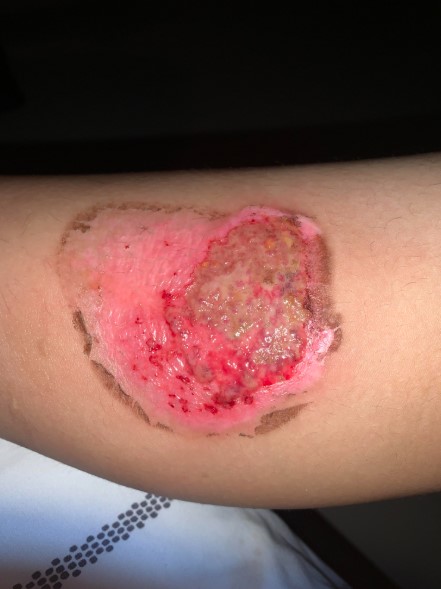
A 2nd degree burn affects both the epidermis and the dermis, causing pain, redness, blistering, and sometimes fluid loss. Healing occurs in stages, starting with inflammation, followed by proliferation, and ending with remodeling. Each stage plays a critical role in determining long-term skin outcomes. Proper 2nd Degree Burn Wound Care ensures the wound heals cleanly, reducing the risk of infection and promoting optimal skin regeneration. Kalingap Wound Care Clinic emphasizes meticulous wound monitoring and advanced dressing techniques to support every phase of healing.
Factors That Affect Long-Term Skin Health
Several factors can influence how well the skin recovers after a 2nd degree burn. Age, skin type, and the location of the burn all play a role in skin regeneration. Larger or deeper burns often require more intensive care to prevent complications. Delayed healing or infection can increase the risk of scarring. Patients receiving professional 2nd Degree Burn Wound Care from Kalingap Wound Care Clinic benefit from personalized recovery plans tailored to these factors, ensuring the best possible long-term outcomes.
Preventing Scarring and Maintaining Skin Elasticity
Preventing scarring starts during the healing process. Moisturizers and silicone-based dressings help maintain skin hydration and reduce hypertrophic scar formation. Gentle massage therapy and stretching exercises improve skin flexibility and promote circulation. Protecting the healing skin from sun exposure is essential, as UV damage can worsen scar appearance. Kalingap Wound Care Clinic provides detailed instructions and products for scar prevention, ensuring that patients maintain skin elasticity while supporting natural regeneration.
Nutrition and Lifestyle for Skin Regeneration
Proper nutrition significantly impacts long-term skin health after a 2nd degree burn. Protein-rich foods, vitamin C, zinc, and omega-3 fatty acids help repair tissue and strengthen new skin. Adequate hydration supports overall cellular function and healing. Avoiding smoking and excessive alcohol intake is crucial, as these habits can slow recovery. Kalingap Wound Care Clinic incorporates nutrition counseling into its 2nd Degree Burn Wound Care programs to optimize skin repair and overall health.
Monitoring and Managing Complications
Even with proper care, complications can occur. Signs such as prolonged redness, excessive swelling, or unusual discharge may indicate infection or delayed healing. Abnormal scarring, including keloids or hypertrophic scars, may require early intervention. Regular follow-ups with a burn care specialist are essential. Kalingap Wound Care Clinic offers continuous monitoring and expert management to address complications promptly, protecting long-term skin health and function.
Advanced Treatments for Long-Term Skin Health
For patients seeking enhanced cosmetic outcomes, advanced treatments can improve the appearance and texture of healed burn skin. Laser therapy, micro-needling, and other dermatological procedures help reduce scarring and improve skin tone. Emerging regenerative therapies, including growth factors and stem-cell-based treatments, support tissue repair at a cellular level. Kalingap Wound Care Clinic provides access to these advanced options as part of comprehensive 2nd Degree Burn Wound Care, ensuring patients achieve the best possible long-term results.
Emotional and Psychological Support
Visible scars from burns can affect self-esteem and mental health. Emotional support is a critical component of long-term recovery. Counseling, support groups, and therapy help patients cope with the psychological impact of burn injuries. Kalingap Wound Care Clinic recognizes the importance of holistic care, addressing both physical healing and emotional well-being to ensure patients regain confidence in their skin and overall health.
Takeaway
Maintaining long-term skin health after a 2nd degree burn requires careful, ongoing attention. Effective 2nd Degree Burn Wound Care combines proper wound management, lifestyle adjustments, nutrition, and professional monitoring. Patients who follow these guidelines with the support of Kalingap Wound Care Clinic can minimize scarring, maintain skin elasticity, and enjoy healthier skin over the long term. Prioritizing comprehensive care is essential for a smooth recovery and optimal skin outcomes.
FAQ
How long does it take for 2nd degree burns to fully heal?
Most 2nd degree burns heal within 2 to 3 weeks, but complete skin remodeling can take several months. Proper 2nd Degree Burn Wound Care is essential for reducing scarring.
Can scars from 2nd degree burns completely disappear?
While scars may fade significantly, they rarely disappear completely. Early intervention, silicone treatments, and advanced therapies can improve appearance.
What are the best products for long-term burn skin care?
Moisturizers, silicone sheets, and specialized creams recommended by Kalingap Wound Care Clinic help maintain hydration and elasticity.
Is it safe to expose healed burn skin to sunlight?
Healed burn areas are sensitive to UV rays. Sunscreen or protective clothing should be used to prevent pigmentation changes and worsening scars.
When should I consult a doctor for my burn scars?
Consult a burn specialist if you notice abnormal thickening, discoloration, itching, or persistent discomfort. Early treatment ensures better long-term outcomes.