Understanding PRP for Sports Injuries
PRP for sports injuries is a regenerative medical treatment that uses platelet-rich plasma taken from a patient’s own blood to support healing in damaged musculoskeletal tissues. It is commonly used in sports medicine because it focuses on enhancing the body’s natural repair mechanisms rather than simply reducing pain symptoms. Platelets contain growth factors that help regulate tissue repair, inflammation, and cellular regeneration. When these platelets are concentrated and injected into an injured area, they deliver a higher level of healing signals than what naturally occurs in the body. PRP for sports injuries is often used in conditions affecting tendons, ligaments, muscles, and joints. It is especially relevant for injuries caused by repetitive stress, athletic performance, or overuse. Many individuals consider this treatment when recovery slows or when conventional care does not fully restore function. The goal is to support biological healing at the injury site in a targeted and controlled way.
Biological Mechanism of PRP for Sports Injuries
The biological mechanism behind PRP for sports injuries is based on how platelets function during tissue repair. When an injury occurs, platelets are activated and release proteins known as growth factors. These growth factors signal surrounding cells to begin the repair process. In PRP therapy, these platelets are concentrated to increase the intensity of this natural healing response. This results in a stronger stimulation of collagen production, which is essential for tendon and ligament strength. The process also supports angiogenesis, which is the formation of new blood vessels. Improved blood flow helps deliver oxygen and nutrients to damaged tissues. Over time, this leads to gradual tissue rebuilding and improved structural integrity.
Common Conditions Treated with PRP for Sports Injuries
PRP for sports injuries is used to treat a wide range of musculoskeletal conditions commonly seen in active individuals. These injuries often involve soft tissue damage that heals slowly due to limited blood supply. The treatment is frequently considered when pain persists despite rest or physical therapy. It is also used for partial tears and chronic inflammation affecting performance. Many athletes rely on this approach to avoid more invasive procedures.
Common conditions include:
- Tendinitis and tendinopathy affecting various joints
- Ligament sprains and partial tears
- Muscle strains from sudden movement or overuse
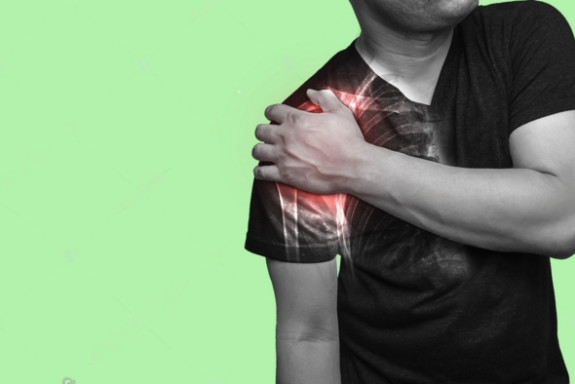
- Shoulder rotator cuff injuries
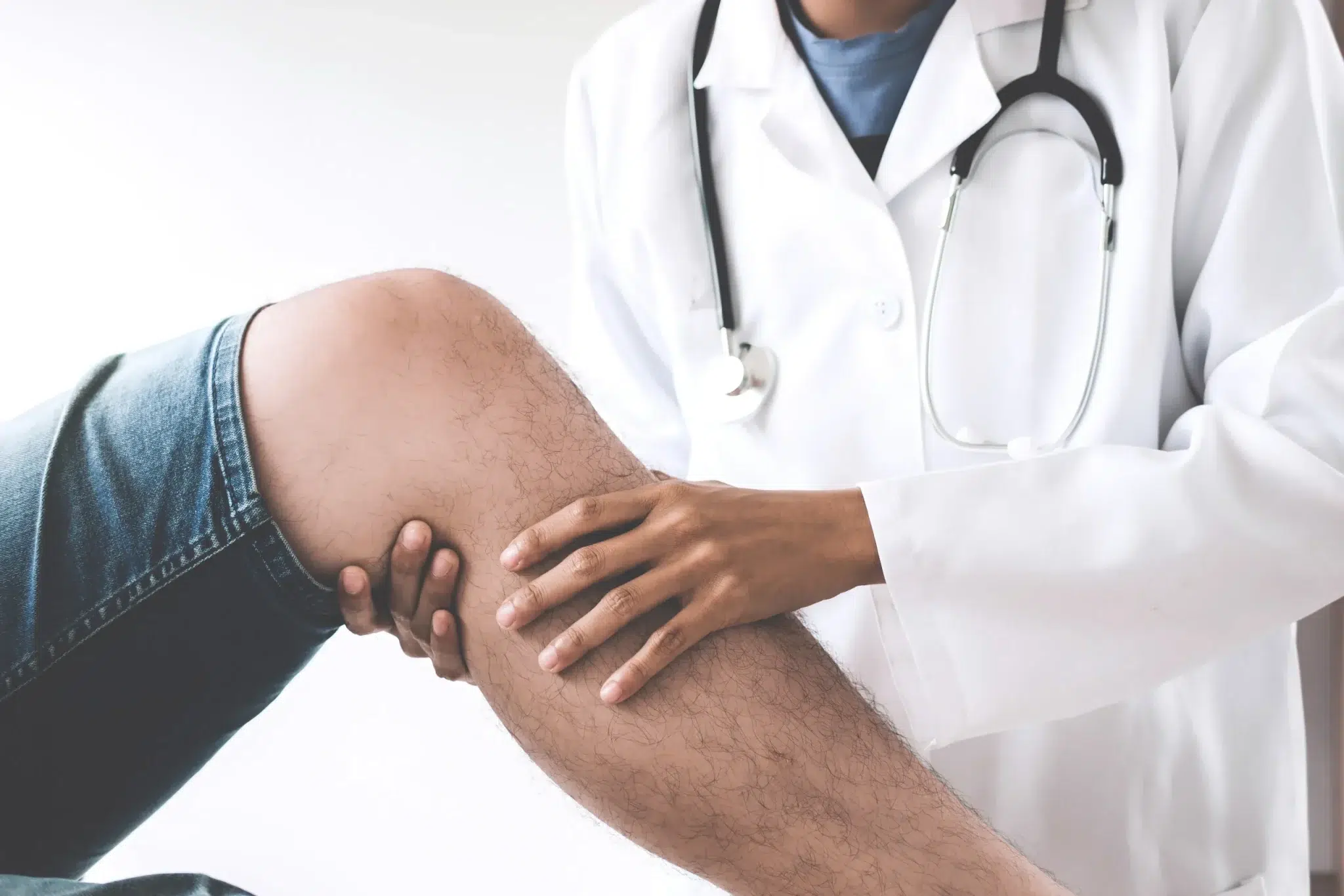
- Knee pain involving the patellar tendon
- Achilles tendon injuries in runners and jumpers
- Elbow conditions from repetitive strain
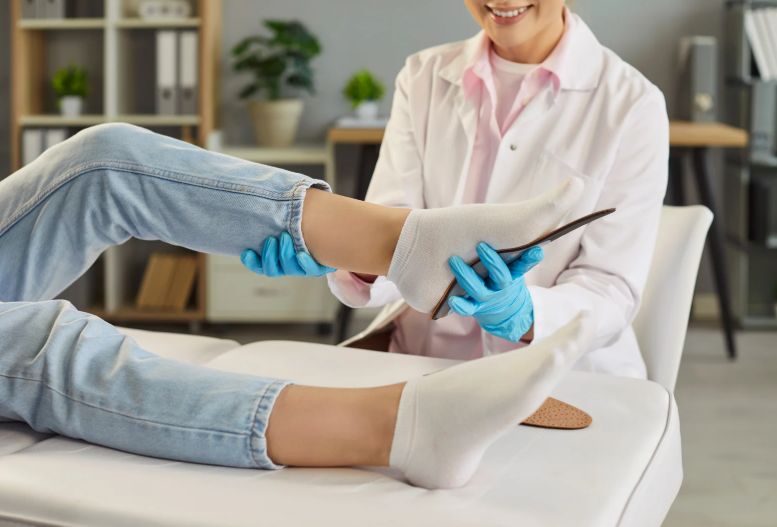
- Plantar fasciitis affecting foot function
These conditions benefit from PRP for sports injuries because they involve repetitive microtrauma. The therapy helps activate repair in tissues that otherwise heal slowly. It is commonly used in both acute and long-standing injuries.
Procedure for PRP for Sports Injuries
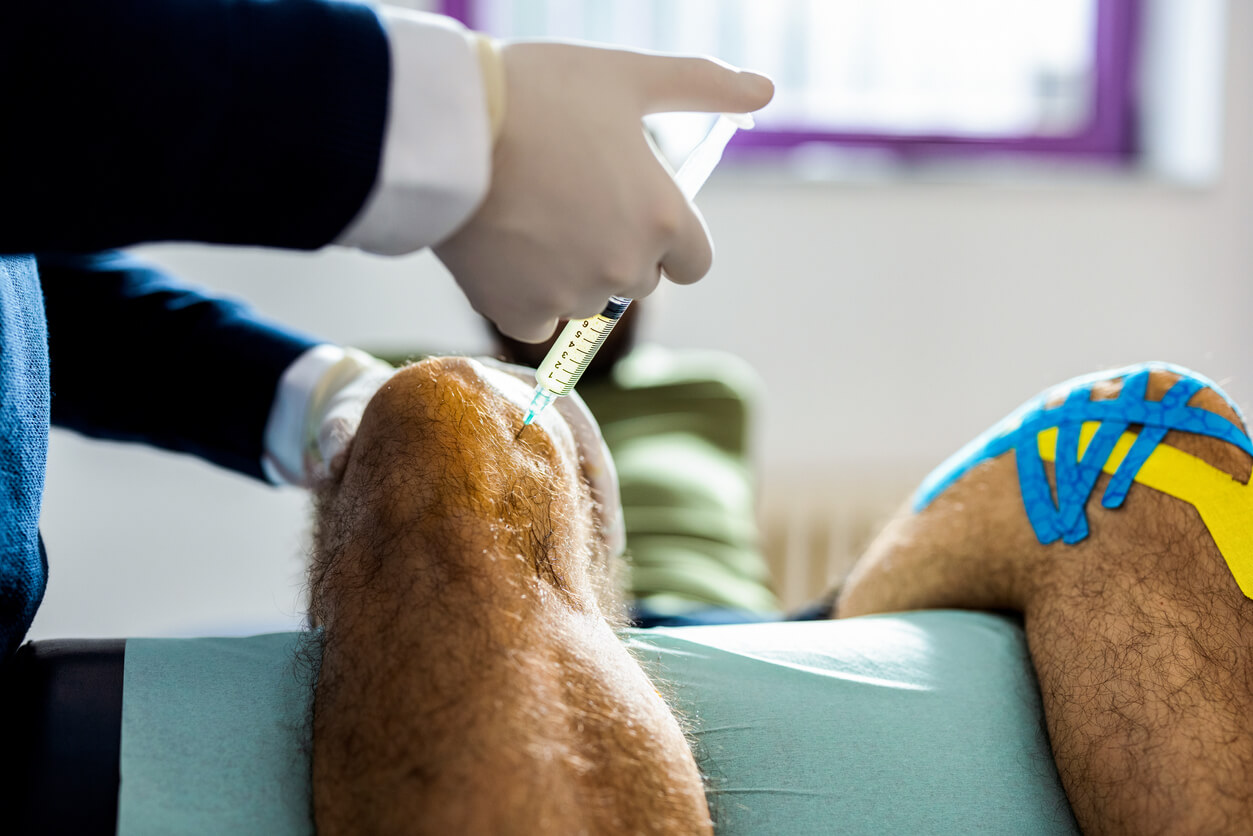
The procedure for PRP for sports injuries begins with a clinical evaluation to assess the injury and determine suitability. A small blood sample is drawn from the patient, typically from the arm. The sample is placed into a centrifuge machine that separates blood components by density. This process isolates the platelet-rich portion of plasma. The concentrated plasma is then prepared for injection. In many cases, ultrasound or other imaging guidance is used to ensure accuracy. The injection is delivered directly into the injured tissue under sterile conditions. After the procedure, patients are usually observed briefly before being discharged.
Sports Injuries Commonly Managed with PRP for Sports Injuries
PRP for sports injuries is widely used in sports medicine due to its ability to support healing in soft tissue injuries. These injuries often develop gradually due to repetitive stress or sudden impact. The treatment is used in both professional athletes and recreationally active individuals. It is especially helpful when standard treatments do not fully resolve symptoms. PRP is often part of a broader rehabilitation strategy.
Frequently treated conditions include:
- Tennis elbow affecting forearm tendons
- Golfer’s elbow involving inner elbow tendons
- Rotator cuff injuries in the shoulder
- Patellar tendon irritation in the knee
- Achilles tendon degeneration or strain
- Hamstring injuries from sprinting or stretching
- Ankle ligament sprains from twisting injuries
- Plantar fasciitis causing heel pain
PRP for sports injuries supports gradual biological repair in these conditions. It helps reduce chronic inflammation and improves tissue function over time.
Healing Response Triggered by PRP for Sports Injuries
The healing response triggered by PRP for sports injuries begins shortly after injection. Platelets release growth factors that activate local repair cells in the damaged area. This initiates a controlled inflammatory response, which is essential for healing. The body then begins producing collagen to rebuild injured tissue. New blood vessels form to improve circulation and nutrient delivery. Tissue remodeling gradually strengthens the affected area. This process develops over weeks to months depending on injury severity. Healing continues as long as biological repair activity remains active.
PRP for Sports Injuries Compared to Traditional Treatments
PRP for sports injuries differs from conventional treatment methods that mainly focus on symptom control. Anti-inflammatory medications can reduce pain but do not repair damaged tissue. Corticosteroid injections may provide temporary relief but can weaken tissue with repeated use. Physical therapy improves strength and mobility but may not fully resolve chronic injuries alone. Surgery is effective for severe injuries but involves longer recovery and higher risk. PRP offers a regenerative approach that enhances the body’s own healing ability. It is often combined with rehabilitation programs for improved outcomes. Many patients consider it as a non-surgical option for recovery.
Benefits of PRP for Sports Injuries
PRP for sports injuries offers several potential benefits for individuals seeking regenerative care. It is minimally invasive and does not require surgical incisions. Because it uses the patient’s own blood, the risk of allergic reaction is very low. Recovery time may be shorter compared to surgical procedures. It supports natural tissue repair instead of replacing damaged structures. It can be used for both acute and chronic injuries. It is often integrated into physical therapy programs.
Additional benefits include:
- Reduced reliance on long-term medication
- Improved collagen production and tissue strength
- Enhanced healing in poorly vascularized tissues
- Applicability across multiple injury types
- Potential to delay or avoid surgery
Limitations of PRP for Sports Injuries
PRP for sports injuries is not effective for every condition or patient. Outcomes vary depending on injury severity and duration. Chronic degenerative conditions may respond more slowly. Some patients may require multiple sessions for improvement. Preparation methods can affect results. Accurate diagnosis is essential before treatment. Healing requires time and consistent rehabilitation. It is not designed for immediate pain relief.
Suitable Candidates for PRP for Sports Injuries
PRP for sports injuries is generally recommended for active individuals experiencing musculoskeletal pain or dysfunction. It is often used when conservative treatments have not been fully effective. Athletes with tendon or ligament injuries are common candidates. Individuals with chronic inflammation may also benefit. It is suitable for those seeking non-surgical treatment options. Patients should be in good general health. A full medical evaluation is required before proceeding.
Recovery Timeline After PRP for Sports Injuries
Recovery after PRP for sports injuries varies depending on the condition treated. Mild soreness may occur after injection. This is part of the normal healing response. Improvement often begins within a few weeks. Full recovery may take several months. Physical therapy is commonly recommended to support healing. Activity levels are gradually increased. Long-term results depend on rehabilitation adherence.
Risks and Side Effects of PRP for Sports Injuries
PRP for sports injuries is generally safe because it uses the patient’s own blood. Mild swelling or discomfort may occur at the injection site. Temporary inflammation is expected as part of healing. Infection is rare when proper sterile techniques are followed. Some patients may not experience significant improvement. Side effects are usually short-term. Medical supervision helps minimize risks.
Research on PRP for Sports Injuries
Research on PRP for sports injuries continues to expand in sports medicine. Studies show positive results for tendon-related conditions. Evidence supports its role in promoting tissue healing in selected cases. However, outcomes vary depending on preparation methods. Standardized protocols are still being developed. Ongoing research aims to improve consistency and effectiveness. PRP remains an active area of clinical study. Its role in treatment continues to evolve.
Factors Affecting PRP for Sports Injuries Outcomes
Several factors influence outcomes of PRP for sports injuries. Patient age and health status affect healing capacity. Injury severity and duration are important considerations. Platelet concentration quality impacts effectiveness. Injection accuracy plays a key role. Rehabilitation adherence improves recovery results. Lifestyle factors such as nutrition also contribute. Each case requires individualized assessment.
Cost Considerations for PRP for Sports Injuries
The cost of PRP for sports injuries varies based on several factors. These include clinic location, equipment used, and number of sessions. Some patients may require repeat treatments. Insurance coverage is often limited. Costs should be weighed against long-term benefits. PRP may reduce the need for surgery in some cases. Patients should discuss financial details with providers. Understanding cost helps guide decision-making.
Preparation for PRP for Sports Injuries
Preparation for PRP for sports injuries involves a medical evaluation. Certain medications may need adjustment. Hydration is encouraged before the procedure. Patients should disclose full medical history. Physical activity may be modified prior to treatment. Clear communication with the provider is important. Expectations should be discussed in advance. Proper preparation supports better outcomes.
Post-Treatment Care for PRP for Sports Injuries
After PRP for sports injuries, post-care plays a key role in recovery. Rest is recommended initially. Mild discomfort may occur and is usually temporary. Physical therapy is gradually introduced. High-impact activity is avoided early in recovery. Healing is monitored over time. Rehabilitation improves long-term results. Patients should follow all medical instructions carefully.
Advancements in PRP for Sports Injuries
Advancements in PRP for sports injuries continue to improve treatment precision. New centrifuge technology allows better platelet concentration. Different formulations are being studied for specific injuries. Imaging guidance improves injection accuracy. Combination therapies are being explored. Research continues to refine treatment protocols. Innovation is expanding clinical applications. Sports medicine continues to evolve with these developments.
Frequently Asked Questions About PRP for Sports Injuries
What is PRP for sports injuries
It is a treatment using concentrated platelets from blood to support tissue healing.
How does it work
It releases growth factors that stimulate repair in injured tissues.
How long does recovery take
Improvement may begin in weeks, with full healing taking months.
Is it painful
Mild discomfort may occur during or after treatment.
How many sessions are needed
Some patients need one session while others require more.
Is it safe
Yes, it is generally safe when properly performed.
What injuries respond best
Tendon and ligament injuries often respond well.
Can it replace surgery
It may reduce the need for surgery in some cases.
Are there restrictions after treatment
Yes, activity is usually limited early on.
Can it be combined with therapy
Yes, it is often used with physical rehabilitation.
Takeaway
PRP for sports injuries offers a regenerative approach that supports natural healing in musculoskeletal conditions. It is commonly used for tendon, ligament, and muscle injuries that respond slowly to traditional treatment. The therapy works by stimulating biological repair rather than providing immediate symptom relief. While results vary, it is often included in comprehensive rehabilitation plans for active individuals. Its minimally invasive nature makes it a widely considered option in modern sports medicine.